
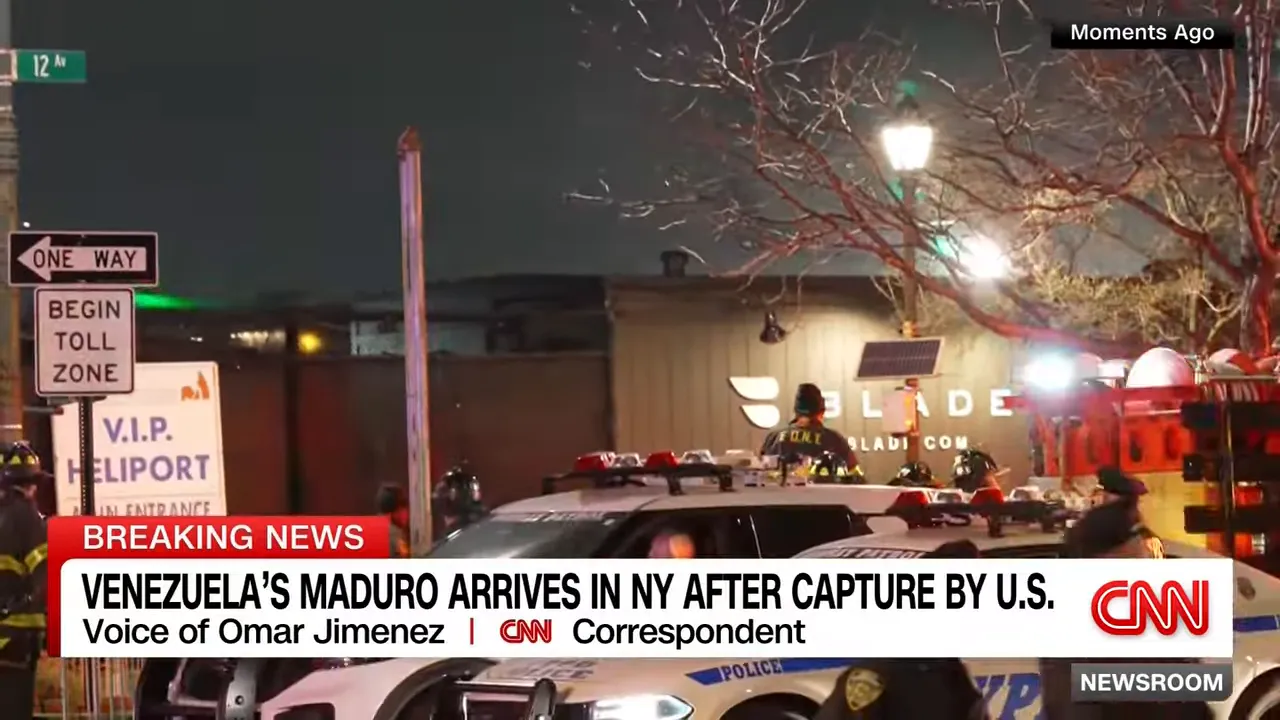
Breaking news, hot news unfolded on a Saturday night on Manhattan’s west side when multiple helicopters touched down at a downtown heliport and a sweeping law enforcement response followed. The scene — armored vehicles, federal agents, NYPD units and a tightly secured motorcade — points to a complex transfer of a high-profile detainee into federal custody in New York City.
What happened: a concise overview
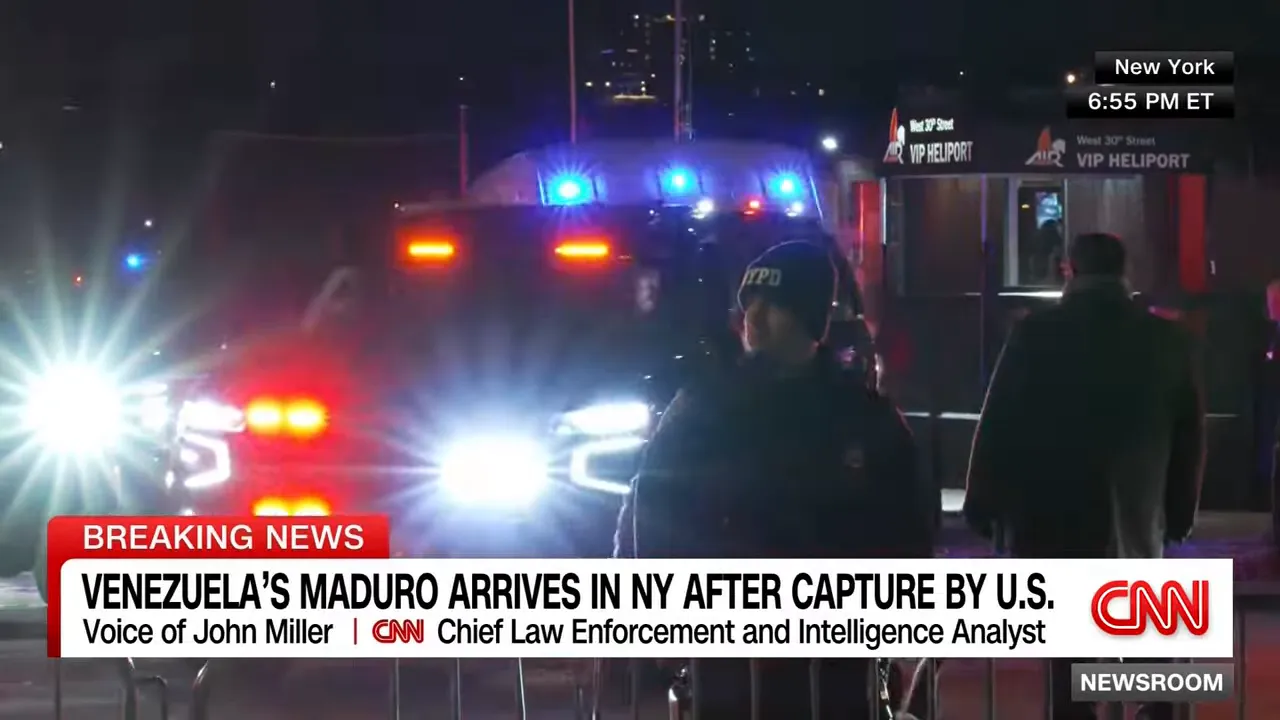
Three helicopters arrived at the West Side heliport within minutes of each other. Law enforcement presence escalated rapidly around the landing area: NYPD, DEA, FBI and other federal personnel established a visible cordon, and both directions of the West Side Highway were closed to traffic. Those details indicate a preplanned, high-security movement rather than a routine dignitary visit.
How the transfer was executed
The operation combined specialized units and layered security measures designed for a high-threat transfer. Key visible elements included:
- Armored vehicles — including a BearCat carrying a counter-assault team.
- Escort and route security — NYPD Highway Patrol froze the route between the heliport and the secure processing facility.
- Medical readiness — an ambulance accompanied the motorcade in case of medical issues.
- Federal and local coordination — DEA, FBI and NYPD units worked in joint formation to manage risk and logistics.
As one law enforcement analyst explained, this is not the same as moving a visiting dignitary. It is a high-threat prisoner transport that requires additional countermeasures to guard against attempts to free or attack the convoy.

On-the-ground logistics and speed
Witnesses at the heliport reported a swift, tightly choreographed transfer: incoming passengers moved into vehicles through secured gates, and the motorcade departed within minutes. Freezing a route on Manhattan streets demands experienced traffic control and close coordination among multiple agencies. That same experience is what enabled a rapid, low-exposure movement from helicopter to secure facility.
Legal and political context
The individual brought into custody faces major narcotics trafficking charges and until earlier that day had held the top office in his country. The transfer to the U.S. for prosecution raises immediate legal steps — booking, arraignment and the possibility of a trial — along with broader geopolitical questions about governance and transition back home.
"This is a high-threat prisoner at charge in a major narcotics trafficking case who happens to be, as of a few hours ago, president of a sovereign nation," said a senior law enforcement analyst, underlining the unusual nature of this prosecution and the security posture required.
What to expect next
Short term:
- Processing at a secure federal facility, followed by a federal arraignment.
- Continued visible security on arraignment days and, if necessary, daily security during trial proceedings.
Medium term:
- Heightened diplomatic and security questions about the succession of leadership in the detainee’s home country.
- Potential U.S. involvement in transition planning or stabilization, depending on policy decisions and on-the-ground developments.
Key takeaways
- Highly coordinated operation: The combination of helicopters, armored vehicles and federal-local coordination demonstrates preplanning and layered security.
- High-risk detainee movement: Extra protective measures mirror those used in prior high-profile narcotics prosecutions.
- Broader implications: Beyond criminal proceedings, the transfer will have diplomatic and political consequences for the detainee’s home country.
- Media and public interest: This remains a leading breaking news, hot news story with developments likely to continue over the coming days.
Implications for security and diplomacy
Moving a former head of state for prosecution in a foreign jurisdiction combines criminal justice procedures with national security considerations. The use of airborne insertion, rapid ground movement and multiagency assets reduces exposure and public disruption while addressing substantial risk. At the same time, the political aftermath — who governs next, how foreign partners respond, and the degree of U.S. involvement — will shape regional stability for months to come.
Final observations
The operation on Manhattan’s west side illustrated how modern law enforcement integrates tactical, medical and logistical elements to manage a high-threat transfer. The focus now shifts to federal court proceedings, the legal process in the U.S., and evolving diplomatic responses in the detainee’s home region. This remains a central breaking news, hot news item with significant national and international implications.
Breaking news, hot news: Maduro arrives in Manhattan amid massive law enforcement operation. There are any Breaking news, hot news: Maduro arrives in Manhattan amid massive law enforcement operation in here.

