breaking news, hot news: Inside Epstein's ties to Harvard and corporate America

New batches of Justice Department documents and internal communications have renewed scrutiny of Jeffrey Epstein’s relationships with leading scientists, elite universities, and corporate executives. This is breaking news, hot news that exposes how donations, private investments, and personal networks blurred ethical lines and created enduring reputational risk for institutions and individuals.
How Epstein maintained access to Harvard after 2008
Harvard formally severed its official relationship with Jeffrey Epstein in 2008 after his conviction for soliciting prostitution involving a minor. Yet the documents reveal multiple channels through which Epstein continued to influence research and personnel decisions at the university.
Epstein solicited and helped channel donations to faculty members, most notably to Martin Novak, a researcher in genetics and evolution. Records and undated photographs suggest continued contact with faculty long after Harvard’s announced cutoff of ties.
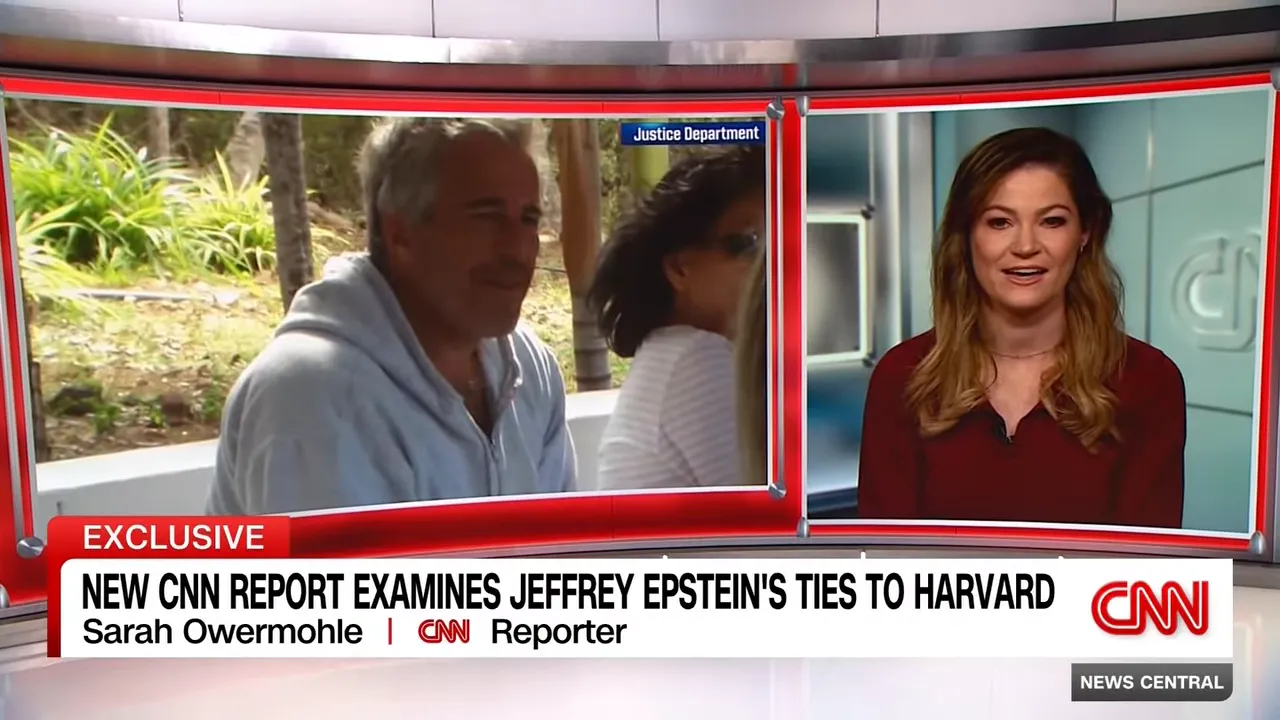
Those arrangements included offers to underwrite projects and proposals that would be financially structured to give Epstein control over the funds while providing public association with prominent scientists. The pattern raises renewed questions about institutional policies governing donor relationships, transparency, and post-conviction safeguards.
Epstein’s focus on genetics and life-extension research
The newly released emails show Epstein had a sustained interest in genetics, regenerative medicine, and longevity. He funded novel genetic testing and explored investments in early-stage companies focused on gene editing and the genetics of extreme longevity.
One prominent scientist implicated in correspondence was George Church, a geneticist known for gene-editing work and de-extinction concepts. Proposals discussed in emails included:
- Gene editing for disease resistance in plants and animals
- Genetic studies of supercentenarians (individuals aged 110+)
- Ambitious projects such as creating cold-resistant elephants as part of de-extinction research
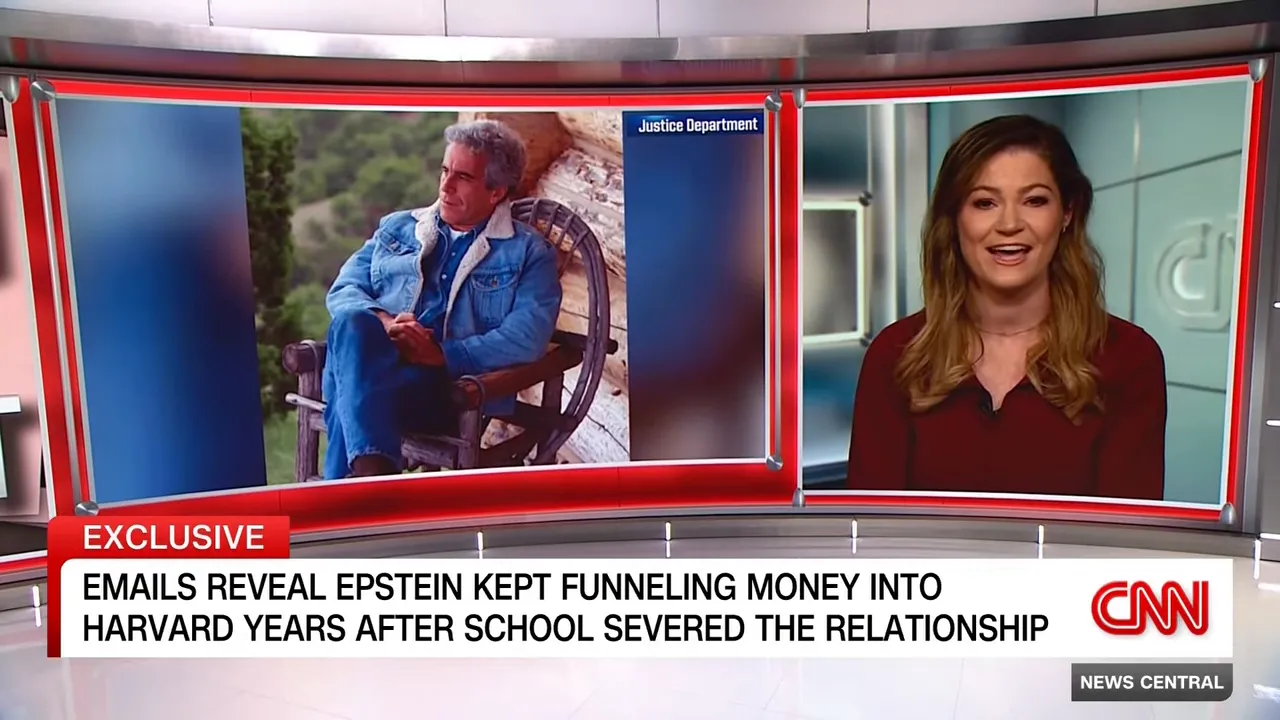
These initiatives aligned with Epstein’s reported personal interests in life extension and biomedical research. While no criminal charges have been filed against these scientists related to Epstein’s crimes, the communications illustrate how scientific agendas and private funding became entangled with a donor whose criminal history should have been a clear red flag.
Corporate consequences: resignations and reputational damage
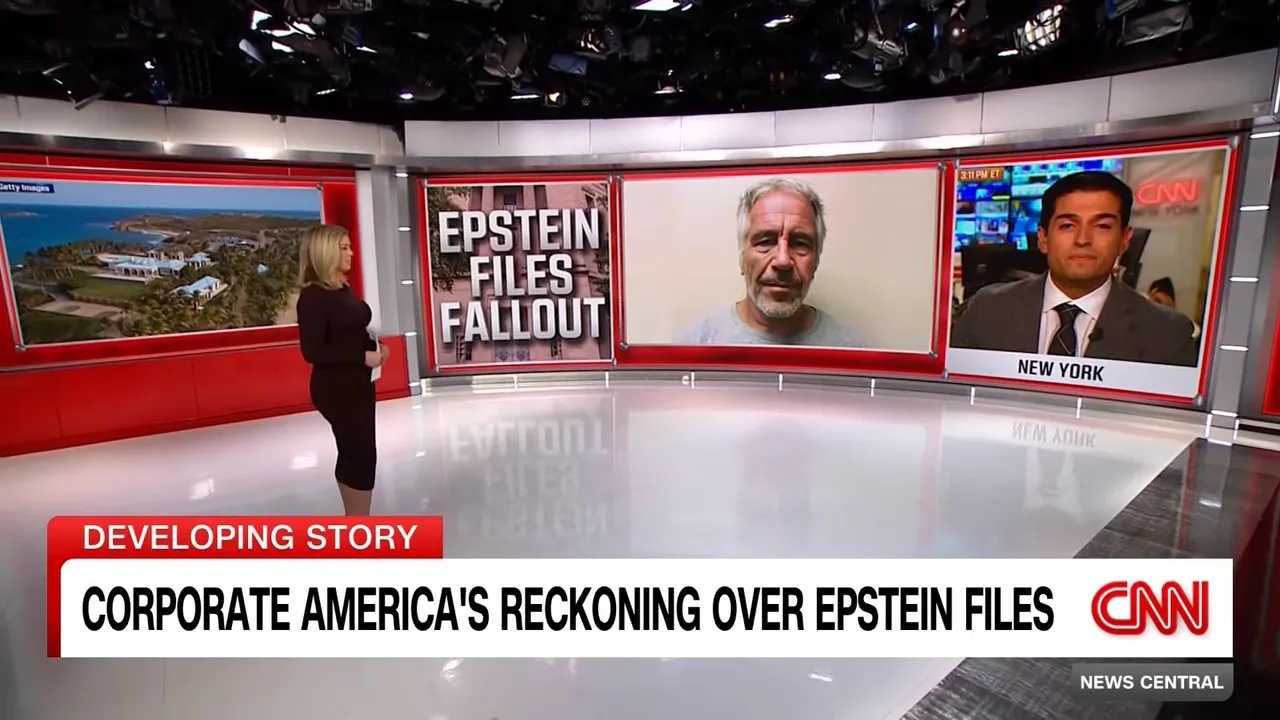
The document releases have also been consequential for corporate America. A string of high-profile executives and legal leaders have stepped down or announced departures after media reporting linked them to Epstein.
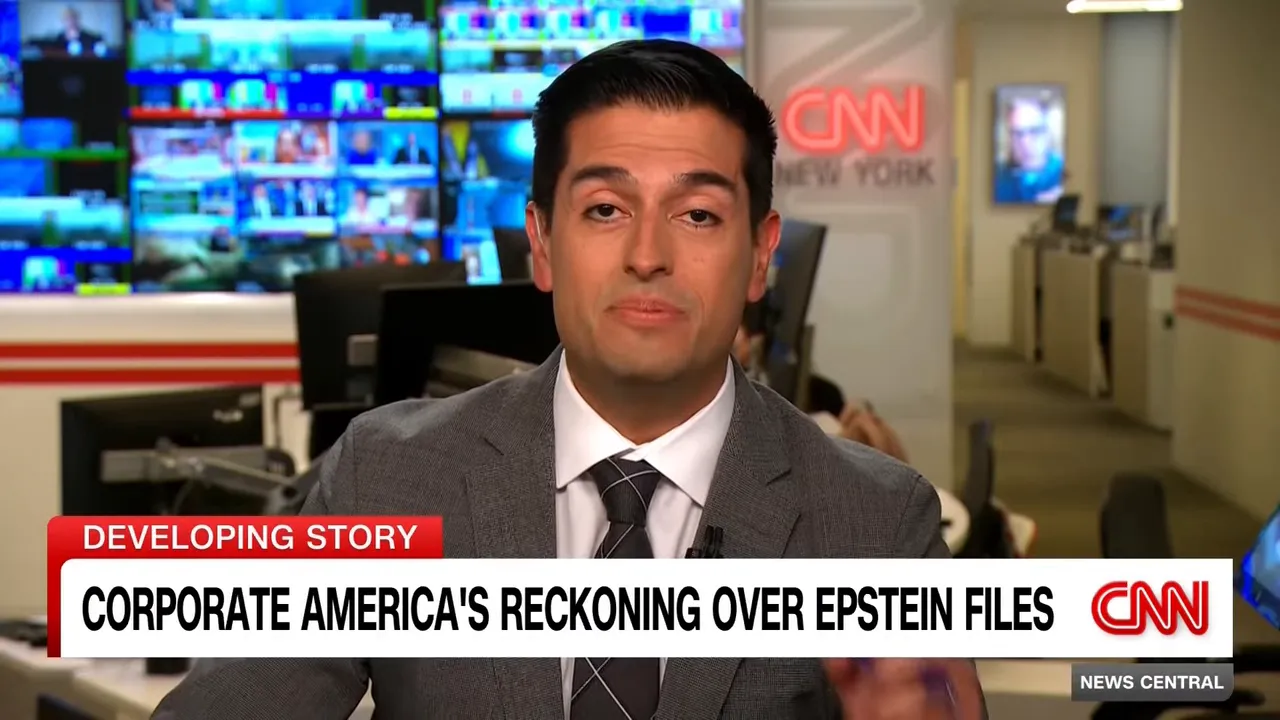
Notable departures include the executive chairman of Hyatt Hotels, a top lawyer at Goldman Sachs, the chair of a major law firm, and other senior figures. Some leaders have characterized their judgment as poor, or said they were “deeply ashamed,” while investigators and boards evaluate whether continued association crossed ethical lines.
Important context:
- No allegations of criminal conduct have been made against many of those who resigned.
- Boards and companies are weighing reputational risk, potential conflicts of interest, and client reaction to perceived lapses in judgment.
- Observers warn this may be only the beginning: one director described the situation as “just the tip of the iceberg.”
"This is just the tip of the iceberg." — quoted observation from a corporate director on the scope of expected fallout
Political oversight, unanswered questions, and follow-the-money priorities
Lawmakers and investigators have emphasized that Epstein’s social circle, financial structures, and alleged trafficking operations are intertwined. Some governments in Europe have taken visible steps to hold powerful figures to account, while critics in the United States say financial probes and full transparency remain lacking.
Representative Suha Subramaniam and other oversight officials have pushed for broader access to documents and depositions. Key investigative points include:
- Why certain wealthy associates were not thoroughly questioned by federal authorities despite references in FBI communications.
- How financial arrangements and investment vehicles may have funded or facilitated illicit activity.
- Whether executors and estate representatives possess additional records that could identify other participants or illuminate the flow of funds.
High-value targets for future inquiry include depositions of executors and the release of the remaining millions of documents still withheld from the public record. Transparency advocates say a full accounting requires following the money as diligently as following known victims and social networks.
Key takeaways
- breaking news, hot news: Newly released documents show Epstein retained informal influence over Harvard researchers and cultivated scientific projects even after his 2008 conviction.
- Private funding of science can create conflicts when donor backgrounds are ignored or obscured; institutional safeguards matter.
- Corporate boards and law firms face ongoing reputational risk as more names surface; accountability so far has focused more on optics than criminal liability.
- Investigators and legislators emphasize the importance of financial investigations to complement criminal trafficking inquiries.
What to watch next
- Document releases from the Justice Department and court filings that may name additional associates.
- Scheduled depositions of estate executors and other insiders that could reveal new financial pathways.
- Institutional reviews at universities and corporations that may strengthen donor vetting and conflict-of-interest policies.
The story remains active and evolving. As more records and testimonies become public, the combination of legal, institutional, and corporate responses will determine whether this moment of breaking news, hot news leads to substantive reforms or simply further reputational fallout.
news update, news today: GOP’s real shot to “break the historical trajectory” — affordability, ads, and midterm strategy

This news update, news today dives into a moment where economics, messaging, and raw political heat collide. On one side: an affordability tour touting dramatic gains. On the other: a profanity-laced Democratic ad that forces a choice — respond with anger or pivot to policy. The battlefield is the midterms, and strategy matters more than ever.
Key takeaways
- Affordability is the GOP’s headline. Talking inflation, paychecks, and investment wins to convert macro stats into voter hope.
- Polarizing ads cut both ways. “F Trump” style creative energizes a base but risks turning off persuadable voters.
- Populist coalition opportunities exist. Targeted consumer protections and pro-worker wins could broaden appeal.
- Local realities matter. National talking points must account for state-level job numbers and healthcare risks.
Why affordability is front and center
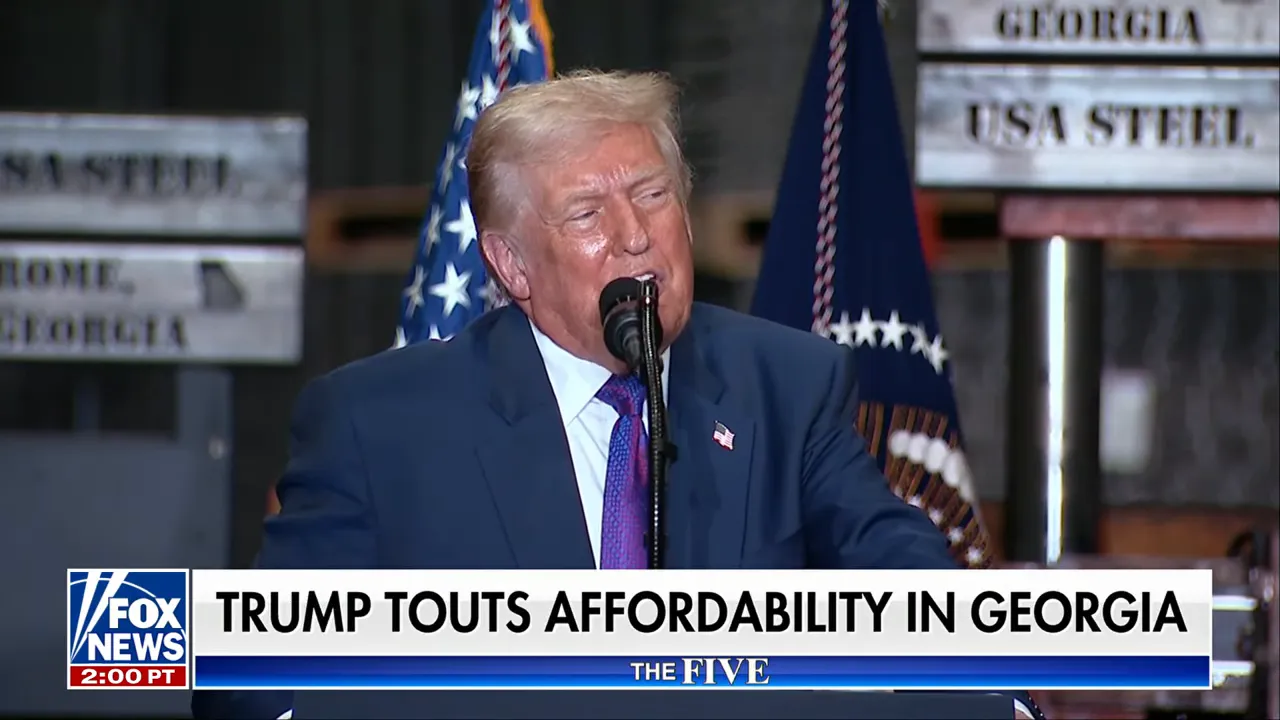
The campaign pivot is clear: make the economy feel personal. The headline talking points include bold claims about retirement accounts and headline inflation retreating to the low single digits. A memorable line captures the tone:
"I added $9 trillion in value to your savings... your retirement accounts and 401ks are at the highest level they've ever been."
Those numbers create a narrative of recovery that a campaign can sell as evidence of competence. Coupled with data points like inflation dropping to roughly 2.4% and core inflation at five-year lows, the message aims to move voters from anxiety to optimism.
The counterpunch: local numbers and policy gaps
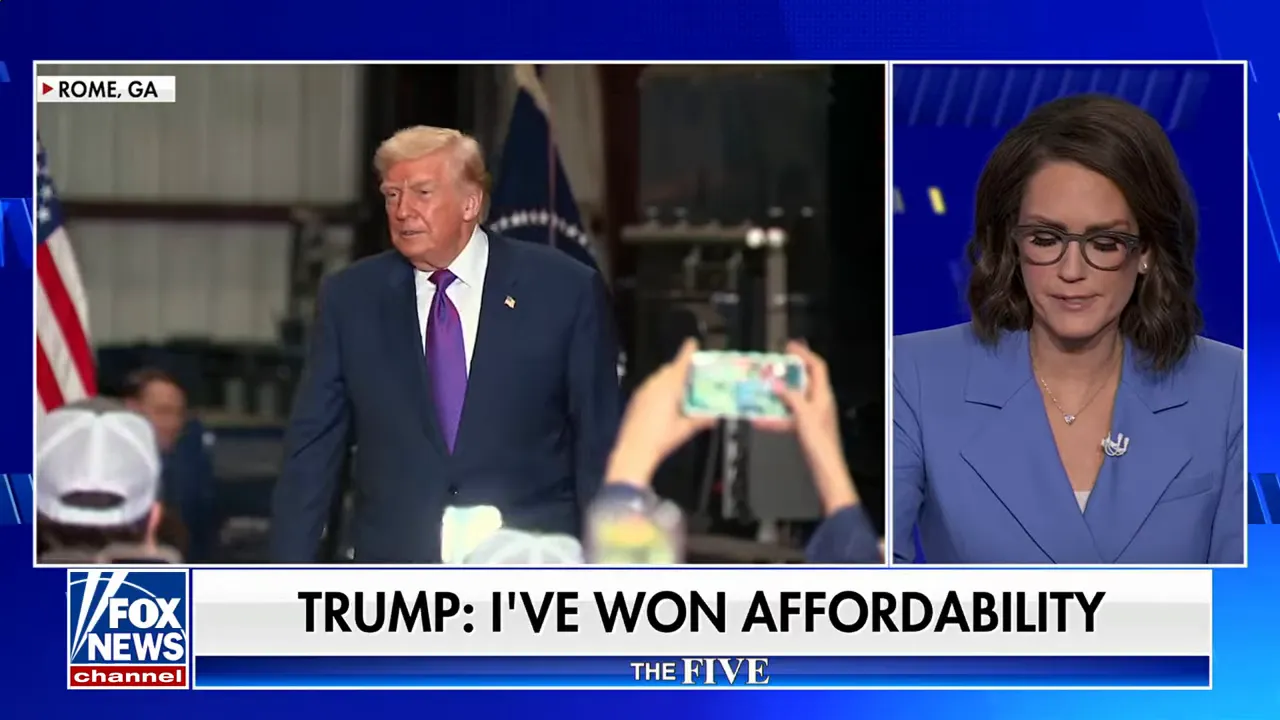
National headlines don’t erase local pain. In swing states, voters feel job losses, farm bankruptcies, and healthcare premium shocks. Examples cited include:
- About 80,000 jobs lost in one state since the change in administration.
- 27 family farms reportedly filed for bankruptcy in a single year.
- Hundreds of thousands could lose ACA subsidy extensions, with premium spikes for many more.
Those realities create openings for opposition campaigns to argue that national good-news headlines miss on-the-ground losses. Successful messaging stitches national wins to local relief — policy fixes voters can trust.
Potty-mouth politics: does “F Trump” help or hurt?
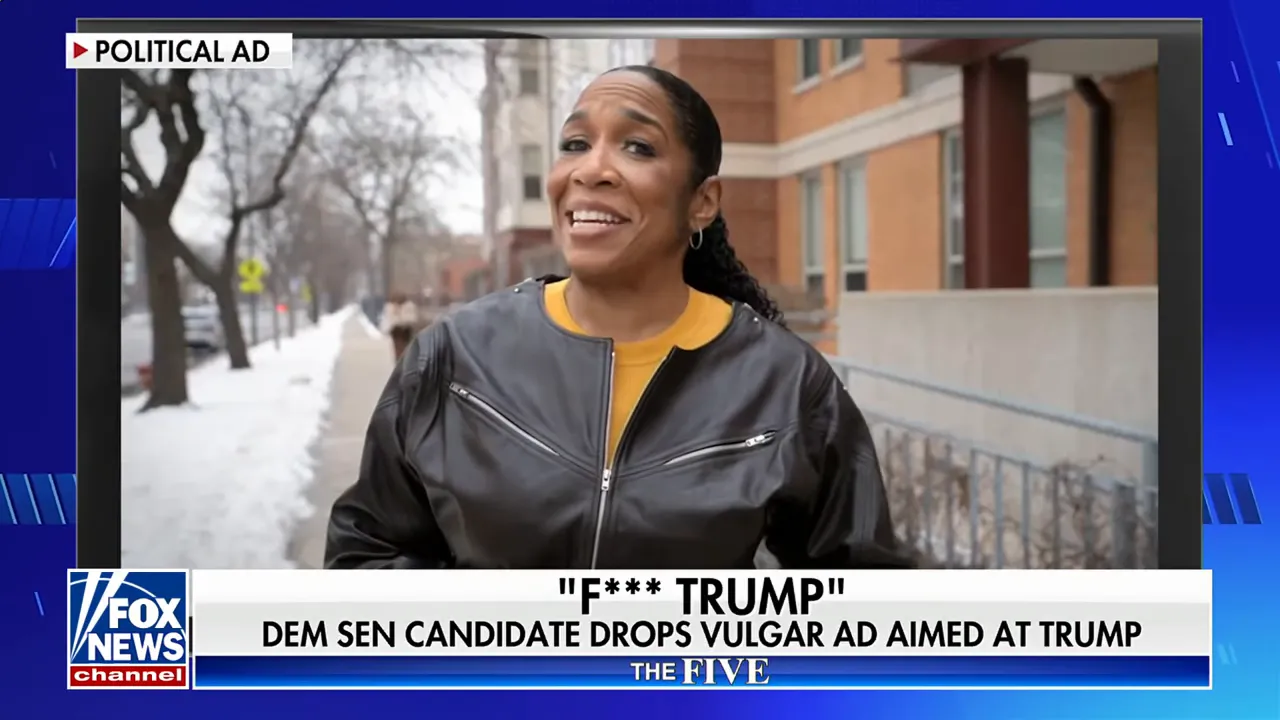
A new ad that cusses out the president has sparked debate over tone. On one hand it energizes a base that relishes confrontational messaging. On the other, it risks alienating moderates who dislike coarse language in political ads.
The strategic framing offered here splits the landscape into two mindsets: positive-focused approaches that sell achievements and hope versus negative-focused tactics that amplify anger. Each has payoff, but only one is suited to winning over undecided voters.
Building a broader coalition: policy moves that could swing the needle
Beyond rhetoric, there’s room for cross-ideological wins. Practical, populist measures—like credit card interest limits, consumer protections, and healthcare competition—can attract voters from unexpected corners. Collaborations that sound unlikely on paper (consumer-minded progressives and business reformers) can create potent campaign lines.
Concrete examples that could act as tailwinds:
- Credit affordability measures that lower everyday costs.
- Actions on healthcare competition to reduce premiums.
- Targeted tax or regulatory tweaks that visibly boost local manufacturing investment.
Strategy checklist for the midterms
Winning the narrative requires disciplined, well-targeted moves. Campaigns should consider:
- Lead with tangible wins people feel in paychecks and bills.
- Localize national claims: translate trillions and percentages into neighborhood impacts.
- Use measured contrast when attacking opponents; avoid tone that repels moderates.
- Pursue a handful of populist, deliverable policy wins to expand appeal.
- Watch foreign policy flashpoints—big global events can steal domestic headlines.
Bottom line
This news update, news today shows a clear pattern: economic messaging plus populist policy can reshape expectations going into the midterms. Provocative ads and verbal attacks light up supporters, but converts are won with credible, localized solutions that affect everyday life. The campaign that ties national recovery to household relief — and pairs that with a disciplined, unifying tone — maximizes the chance to break the historical trajectory.
This news update, news today closes with one simple reminder: facts plus empathy beat noise when persuading the center.
This article was created from the video Kayleigh McEnany: The GOP has a real chance to ‘break the historical trajectory’ with the help of AI.
news update, news today: When Name-Calling Replaces Policy — How Media Narratives Shape the Conversation

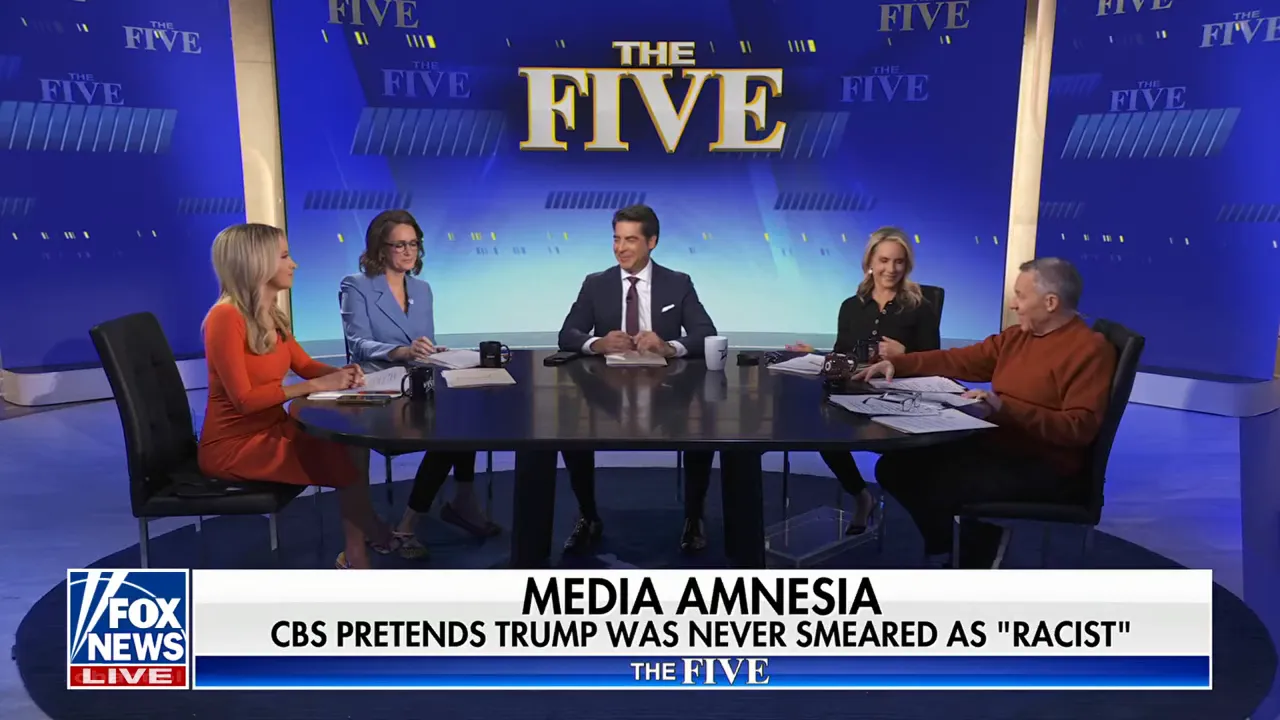
news update, news today is often a sprint of headlines, soundbites, and heated labels. Right now one loud thread dominates: accusations of racism aimed at political leaders have become relentless, repetitive, and sometimes divorced from substantive debate. That pattern matters because voters respond to policy outcomes, not just punditry. This article breaks down why the label economy has taken over, what it costs the country, and how all sides can pivot back to solutions.
Why the "racist" label sticks — and why that’s a problem
Accusations travel fast. A single provocative clip or question can echo across networks and social platforms for days. Repetition breeds belief: when a label is used so often it begins to sound like fact, even to people who don't follow every development closely.
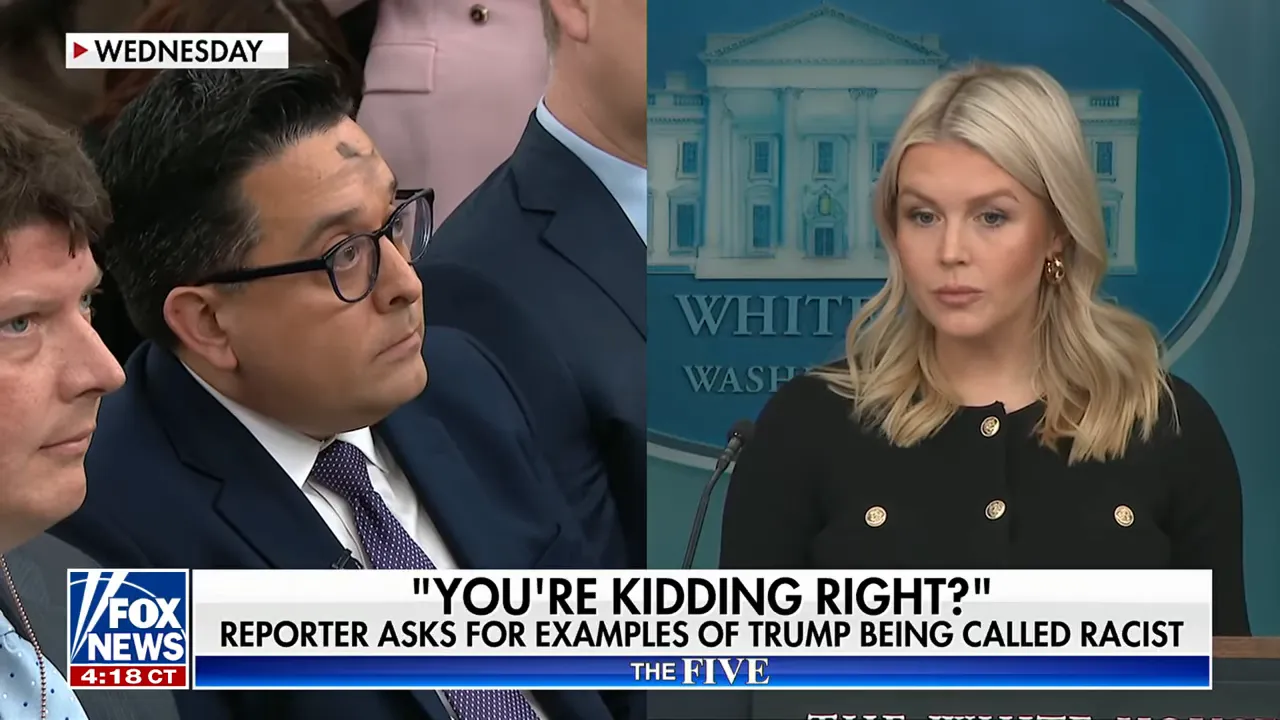
At the heart of the debate is this question asked bluntly in a press setting:
Where or when does the president believe he's been falsely called racist?
That question reveals two competing dynamics at once. Journalists want accountability and clarity. Opponents deploy moral framing to mobilize voters. And media outlets sometimes favor dramatic framing over detailed policy analysis because drama attracts attention.
Examples and counterexamples: Why context matters
There are genuine incidents that justify scrutiny. Offensive remarks and tasteless content can and should be challenged. Yet when labels are applied indiscriminately across a decade, nuance evaporates. A single personal testimony can cut through the noise. Take the example of a grieving relative at a White House event who said:
I love him. I don't want to hear nothing you got to say about that racist stuff.
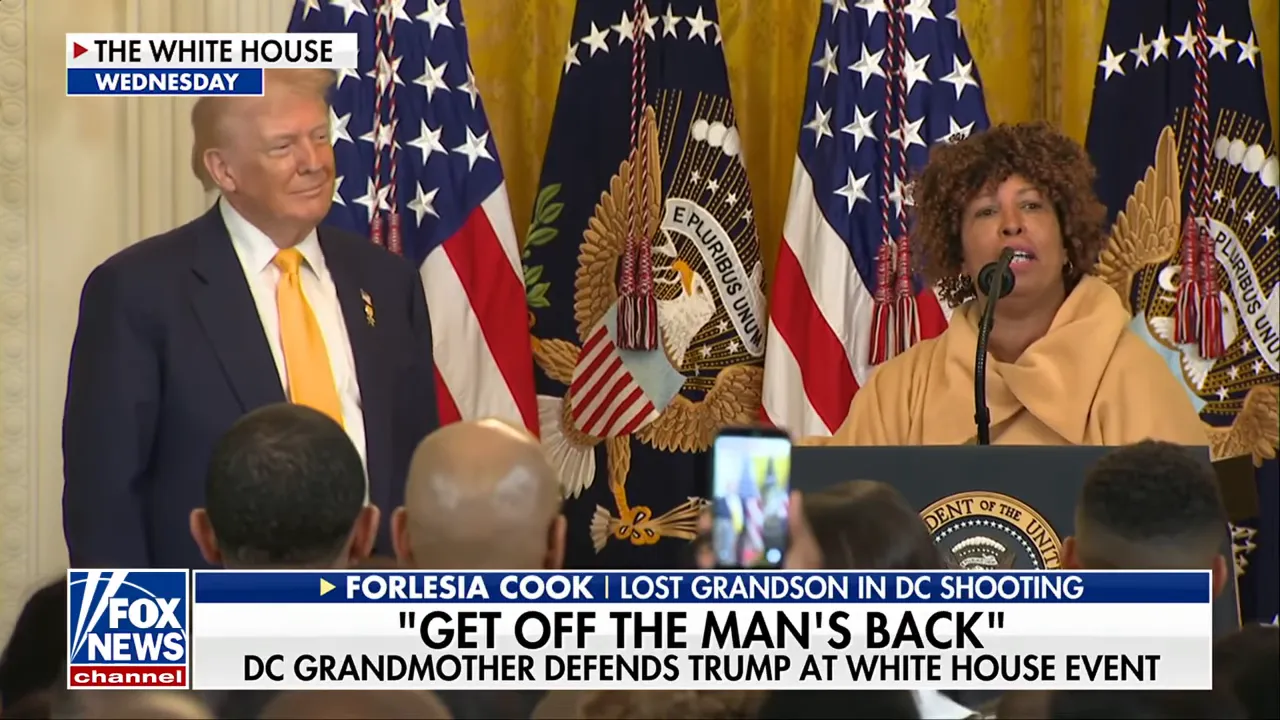
That moment shows the competing realities: policy impacts people's lives and shapes loyalties. For some, crime reduction or local initiatives matter more than rhetorical controversies. For others, rhetoric itself signals values and trustworthiness.
What this pattern costs the country
- Policy stagnation: Name-calling crowds out bargaining. Opportunities to negotiate on immigration, Dreamers, or criminal justice reform get lost in moral theater.
- Credibility erosion: When the most serious charge in civic life is tossed casually, it loses bite. Genuine instances of discrimination risk being dismissed as partisan noise.
- Polarization amplification: Amplified condemnation deepens tribalism and reduces the space for compromise.
How media and politicians can course-correct
Energy and outrage are not inherently bad; they can drive reform. The healthy fix is to channel that energy into concrete demands and verifiable claims. Here are practical moves that would improve public discourse.
1. Prioritize policy over personality
Demand clear proposals. If immigration enforcement, ICE policy, or workplace diversity are the topics, outline specific bills, timelines, and outcomes. Name-calling offers zero roadmap; policy conversations do.
2. Use labels sparingly and with evidence
Reserve the most severe accusations for proven patterns. Transparency—quotes, memos, dates, and actions—strengthens accountability. Vague moralizing weakens it.
3. Make negotiation normal again
When leaders on both sides show a willingness to talk—trade-offs, pilot programs, compromise language—voters win. A single handshake or a small legislative deal can rebuild trust faster than a month of shouting.
Key takeaways
- Labels without specifics weaken accountability. Repetition of accusations can numb the public and obscure real wrongdoing.
- Concrete policy beats broad moral claims. Voters care most about kitchen table issues like jobs, safety, and economic stability.
- Constructive negotiation is not surrender. It’s the practical path that delivers results.
Practical steps for citizens and news consumers
- Ask for evidence: when you hear a big claim, look for actions, documents, or consistent behavior that supports it.
- Track outcomes: follow employment, crime, and economic data to see which policies actually move the needle.
- Reward specificity: elevate candidates and commentators who offer clear, measurable plans rather than only moral outrage.
Final thoughts
news update, news today will always carry drama. But influence grows when outrage is paired with solutions. When the conversation returns to concrete proposals, negotiations, and results, the public benefits. Until then, expect a whirlwind of claims, counterclaims, and the occasional vivid moment that forces people to reconsider what matters most: words or outcomes.
This article was created from the video Jesse Watters: The liberal media has outdone itself with the help of AI.
News update, news today: Iran Says "Won't Back Down" — What the U.S. Military Buildup Means

news update, news today — Tensions in the Middle East just escalated into a high-stakes strategic standoff. Russia joined Iran for live-fire naval drills in the Strait of Hormuz while the U.S. rushed the largest concentration of air and naval power to the region since 2003. This snapshot explains what happened, why it matters, and the realistic scenarios to watch next.
What changed on the water and in the air
Iran and Russia staged joint naval exercises that included vessel raids and ship seizures near the Strait of Hormuz. Iran even warned aircrews to avoid certain airspace during the drills, a sign the exercises could involve cruise missiles or other long-range systems.
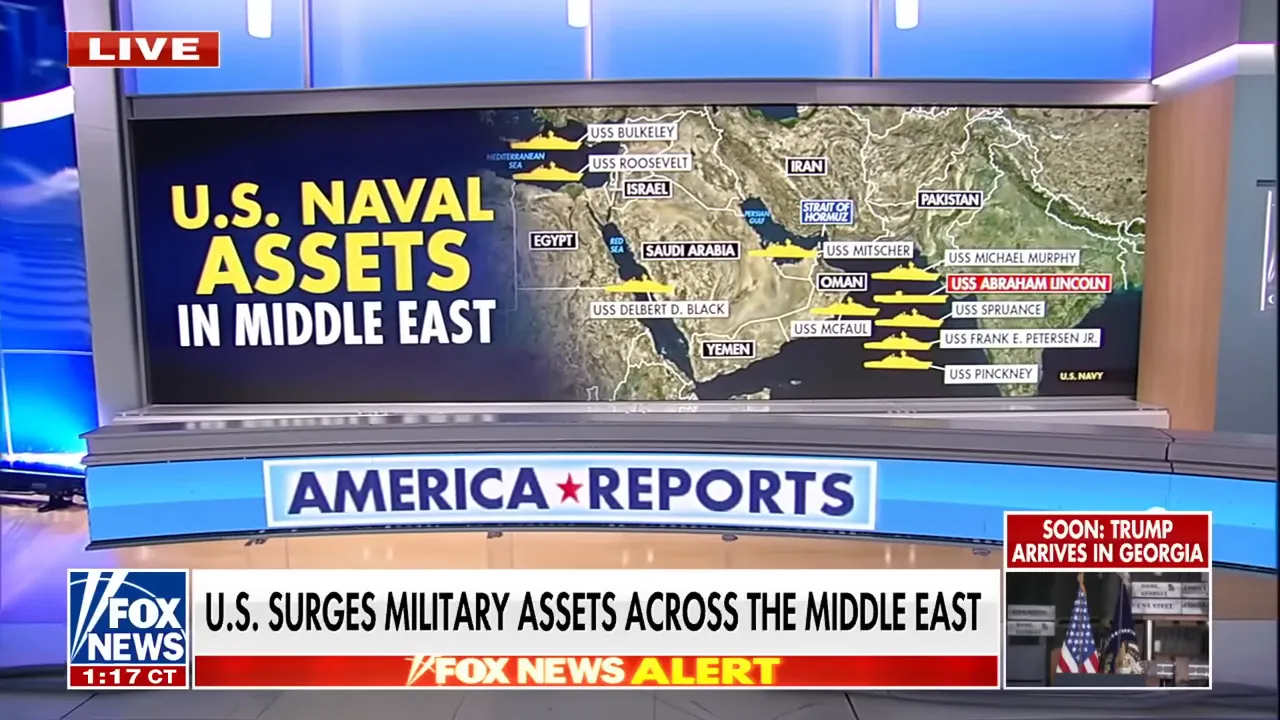
The U.S. response was swift and substantial. Pentagon updates reported more than 120 warplanes sent to the region, including F-15s, F-35s, a squadron of F-22 Raptors, and multiple KC-135 tankers to form an air bridge. The deployment also included six E-3 Sentry AWACS aircraft — a notable shift in command-and-control capability that gives U.S. forces a real-time view of the battle space.

Carrier movements and on-the-ground posture
All eyes are on the USS Ford Strike Group, currently nearing the Strait of Gibraltar. Its route and final destination are undecided — transit to the eastern Mediterranean requires passing through the Suez Canal, which could add days or even weeks. Alternatively, the carrier could remain in the eastern Mediterranean to bolster defense for regional partners.

Notably, there has been no major U.S. ground-force buildup that would indicate preparation for a large-scale invasion. The emphasis is clearly on naval and air dominance, combined with special operations elements reported in the region.
What leaders are saying
On the U.S. side, the message is blunt:
"They can't have a nuclear weapon. It's very simple."That line frames the core policy objective driving military pressure and sanctions.
From Tehran, officials are defiant. Iran’s atomic energy chief declared,
"Iran won't back down. No country can deprive Tehran of its nuclear enrichment rights."Expect rhetoric to stay heated while both sides test limits.
Key takeaways
- High-readiness posture: Air and naval assets give the U.S. flexibility to respond across the spectrum from deterrence to targeted strikes.
- Strategic signaling: AWACS and stealth fighters increase surveillance and deterrence without committing ground troops.
- Risks remain: Joint drills with Russia complicate de-escalation and raise the chance of miscalculation in crowded maritime routes.
Where this could go next
Given current deployments, expect scenarios focused on precision strikes, sanctions, and diplomatic pressure rather than massive ground invasions. Escalation risks are highest around the Strait of Hormuz and any incidents involving commercial shipping.
news update, news today — Stay alert for multi-domain maneuvers, changes in carrier positioning, and any diplomatic signals through negotiation channels. This is a fluid crisis driven by strategic signaling as much as by military capability.
Final perspective
These developments are a reminder that modern conflict often plays out through posture, technology, and close coordination between allies. Military buildup and hardline rhetoric raise stakes, but the tools deployed right now favor controlled deterrence over full-scale invasion. Expect continued monitoring, tightened sanctions, and probes for diplomatic openings — all under the glare of global attention.
news update, news today
This article was created from the video WON'T BACK DOWN: Iranian leader says NO country can deprive it of its 'nuclear enrichment rights' with the help of AI.
‘Something broke in me’: Eric Church on loss, resilience and the quiet weight of breaking news, hot news

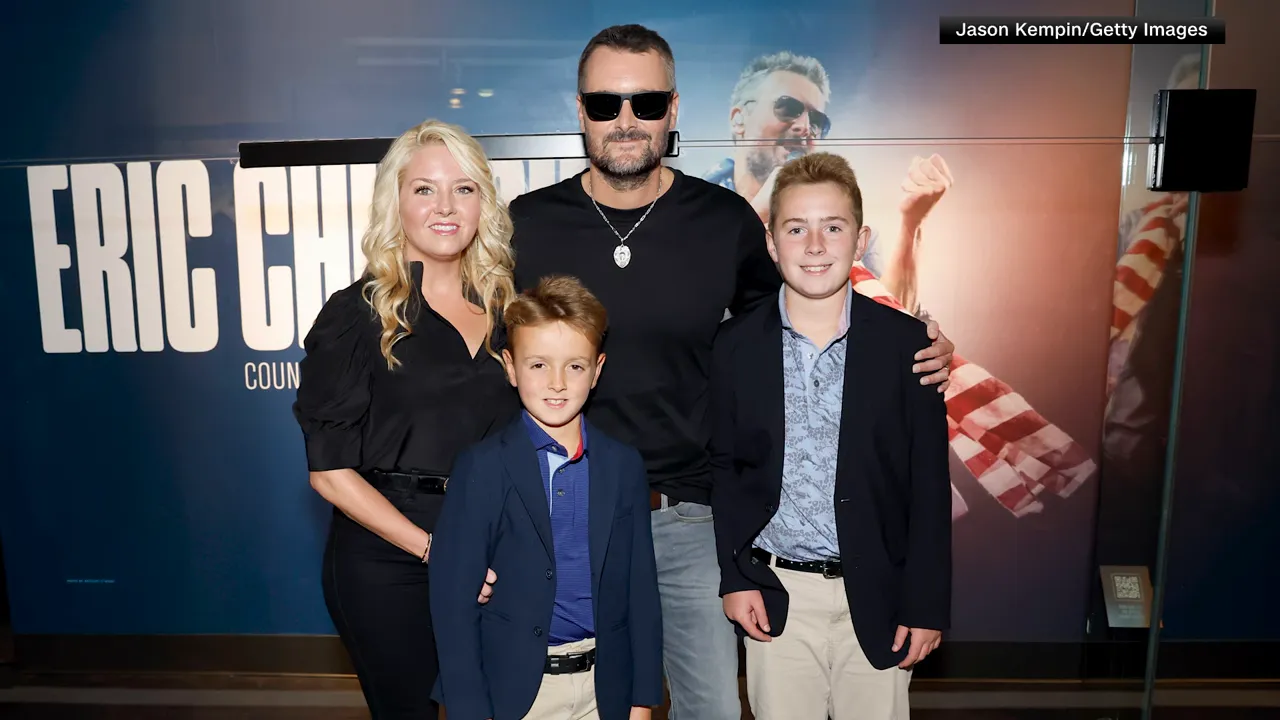
breaking news, hot news coverage often focuses on immediate facts and figures. Less frequently reported are the long arcs of trauma that follow headline events. Country star Eric Church spoke candidly about precisely that: how a series of life-threatening and public tragedies reshaped his work, his faith, and his approach to fatherhood.
Key events that changed a career and a life
Eric Church’s story is defined by three consecutive shocks that landed within a short time: a near-fatal blood clot requiring emergency surgery in June 2017; the Route 91 Harvest Festival mass shooting in Las Vegas two months later; and the death of his brother Brandon the following year. Each event carried physical, emotional, and professional consequences. Together they created what Church describes plainly as a rupture. “Something broke in me,” he said, capturing the shift from performer to survivor.
From safety on stage to shaken faith in public spaces
Church explained how the Las Vegas shooting dismantled an assumption central to his life on stage. Performing had been a sanctuary, a predictable place of communion with fans. After the shooting, that certainty vanished. He channeled the raw response into a song written in the days after the attack; the Grand Ole Opry performance that followed became both an admission and an attempt at healing: “Why you and why not me?” the lyrics ask, and the question echoed the shock experienced by artists and audiences alike.

Grief, coping strategies, and the costs of “keeping going”
Church offered a candid assessment of how he handled grief: work, travel, and sustained activity as a way to put distance between himself and the pain. He called that approach a temporary lifeline that eventually fails to resolve the underlying loss. The pattern he described is familiar to many people who experience sudden trauma: immediate survival, then suppression, and later unexpected resurgences of emotion.
- Short-term coping: Staying busy, keeping a schedule, and performing.
- Long-term consequences: Episodes of post-traumatic stress, unprocessed grief resurfacing in surprising moments.
- The turning point: Public acknowledgment of trauma and deliberate conversations with family and audiences.
Why the public moments mattered
Two public experiences crystallized Church’s reflections. First, the response of fans after the Las Vegas shooting affirmed that memory and joy cannot be erased by violence. Second, the Covenant school shooting in Nashville triggered a profound parental anxiety: the simple act of dropping children at school became fraught with dread. Church described pulling into a school parking lot and seeing other parents doing the same, each suspended between fear and the necessity of resuming life.

Lessons about talking, parenting, and ritual
Church articulated several practical lessons that read like recommendations for people confronting loss or guiding children through it.
- Allow space for grief. Time alone, therapy, or a trusted setting to speak candidly are essential. Church admitted he delayed talking about his brother for years and only gradually reclaimed those memories through storytelling.
- Include children thoughtfully. He regrets excluding his young sons from a funeral, and now favors age-appropriate honesty that normalizes loss as part of life.
- Preserve remembrance within routine. Celebrating a lost loved one’s life—rather than only dreading anniversaries—can transform dates of loss into moments of continuity.
- Leverage community rituals. Church contrasted older communal grieving rituals, like wakes and family gatherings, with modern tendencies to sanitize or hide difficult emotions.
Faith, music, and the role of small rituals
Faith emerged as a stabilizing influence in Church’s account. He credited religious belief with providing an anchor through catastrophic events and the ongoing waves of grief. Music also functions as ritual and memory. He described singing a lyric that now includes his brother as a way to keep him present: the stage becomes a place for both performance and remembrance.
What this means for the broader public conversation about breaking news, hot news
Events that qualify as breaking news, hot news create an intense, immediate demand for facts. Church’s testimony adds an essential counterpoint: the aftermath of those events can unfold for years, affecting mental health, family dynamics, and public trust in shared spaces. Reporters, community leaders, and employers who treat the news cycle as the end of a story risk ignoring its long tail.
Practical implications include:
- Public institutions should plan for sustained support after traumatic incidents, not only immediate crisis response.
- Community rituals and opportunities for collective mourning deserve preservation as public health tools.
- Encouraging candid conversations about grief—especially among men—can reduce isolation and lower the risk of harmful coping behaviors.
Where Eric Church stands now
Church has shifted priorities toward family and deeper engagement with grief work. He has reduced commitments to create space for his young sons and to model different ways of handling loss. Musically he continues to record and tour; his album Evangeline Versus the Machine and the Free the Machine tour are current outlets for both creativity and catharsis.
His reflections are a reminder that headlines mark beginnings as often as endings. For communities and individuals, meaningful recovery requires attention beyond the breaking news, hot news moment—an investment in ritual, conversation, and the long work of remembrance.

