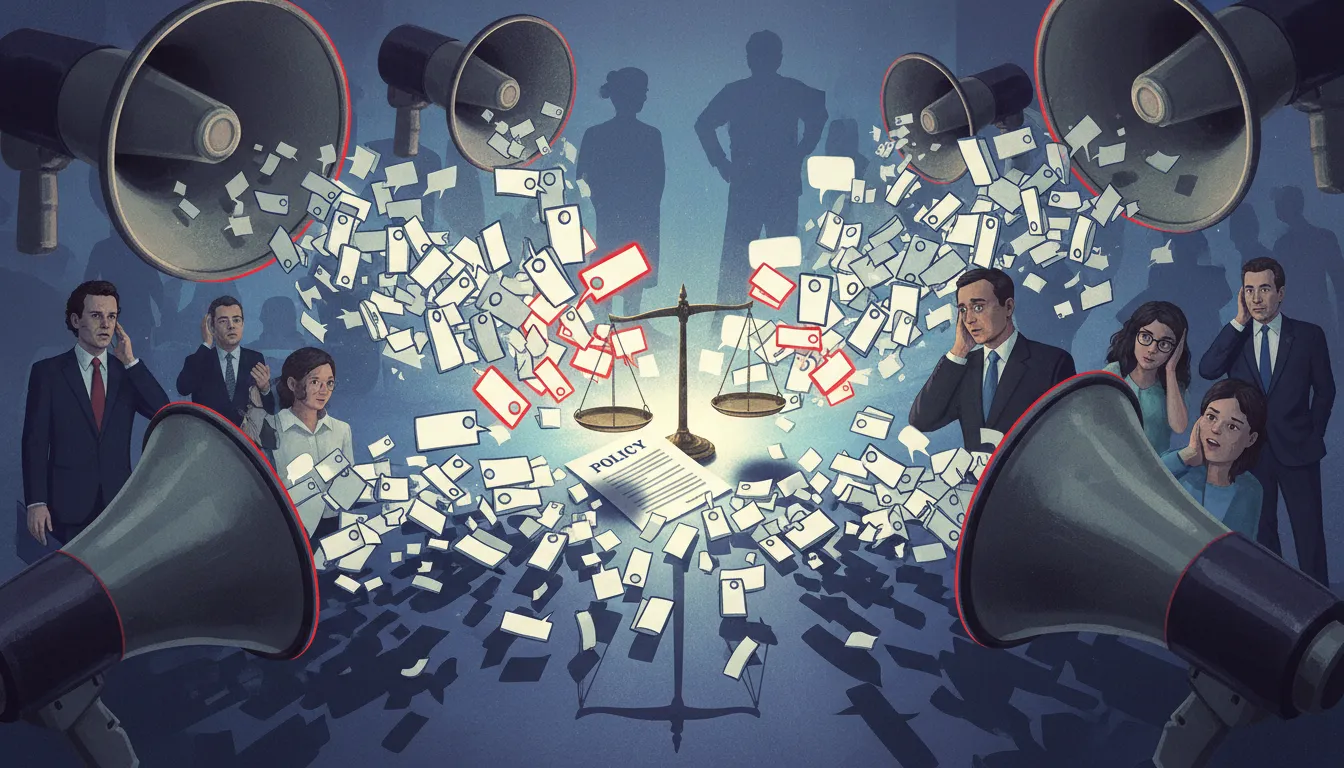
news update, news today is often a sprint of headlines, soundbites, and heated labels. Right now one loud thread dominates: accusations of racism aimed at political leaders have become relentless, repetitive, and sometimes divorced from substantive debate. That pattern matters because voters respond to policy outcomes, not just punditry. This article breaks down why the label economy has taken over, what it costs the country, and how all sides can pivot back to solutions.
Why the "racist" label sticks — and why that’s a problem
Accusations travel fast. A single provocative clip or question can echo across networks and social platforms for days. Repetition breeds belief: when a label is used so often it begins to sound like fact, even to people who don't follow every development closely.
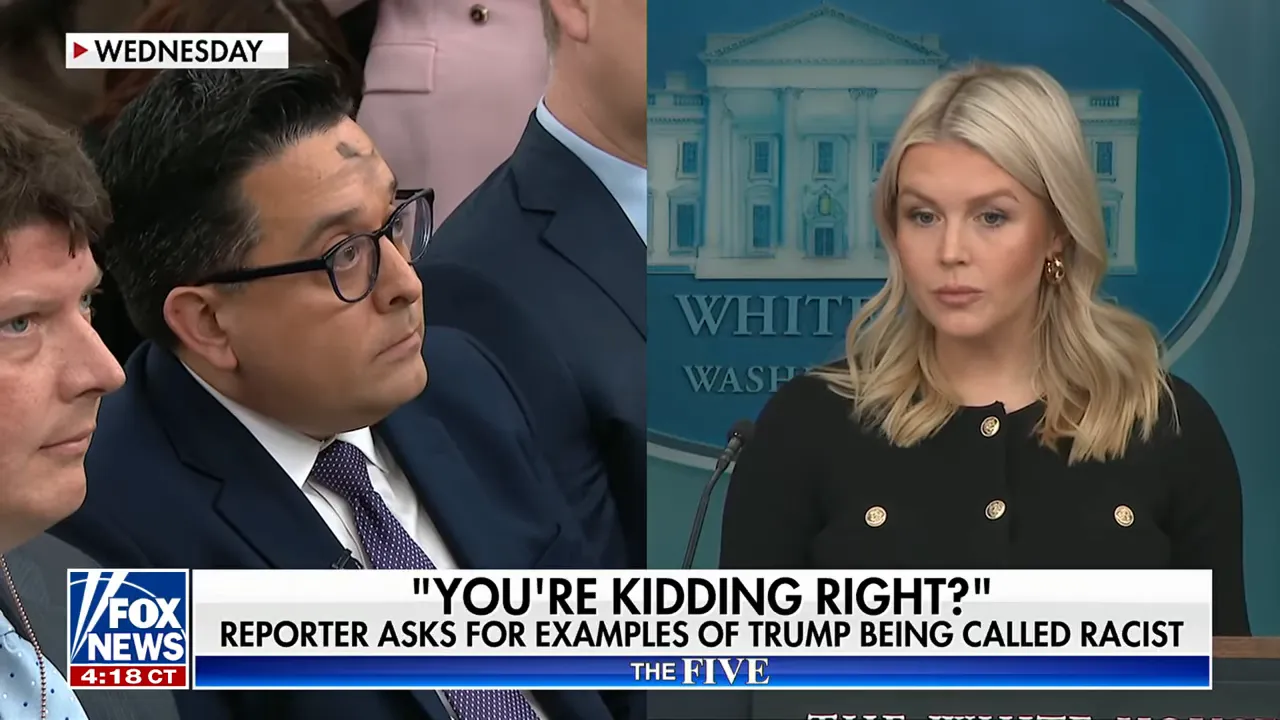
At the heart of the debate is this question asked bluntly in a press setting:
Where or when does the president believe he's been falsely called racist?
That question reveals two competing dynamics at once. Journalists want accountability and clarity. Opponents deploy moral framing to mobilize voters. And media outlets sometimes favor dramatic framing over detailed policy analysis because drama attracts attention.
Examples and counterexamples: Why context matters
There are genuine incidents that justify scrutiny. Offensive remarks and tasteless content can and should be challenged. Yet when labels are applied indiscriminately across a decade, nuance evaporates. A single personal testimony can cut through the noise. Take the example of a grieving relative at a White House event who said:
I love him. I don't want to hear nothing you got to say about that racist stuff.
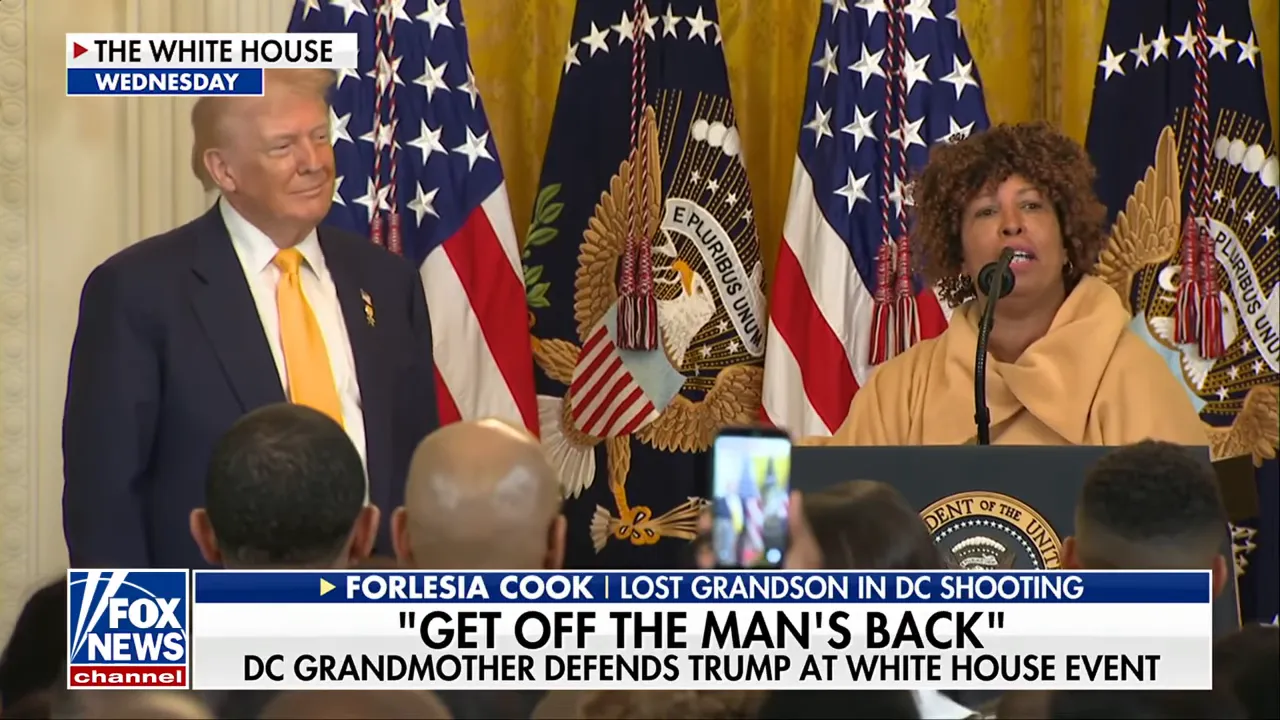
That moment shows the competing realities: policy impacts people's lives and shapes loyalties. For some, crime reduction or local initiatives matter more than rhetorical controversies. For others, rhetoric itself signals values and trustworthiness.
What this pattern costs the country
- Policy stagnation: Name-calling crowds out bargaining. Opportunities to negotiate on immigration, Dreamers, or criminal justice reform get lost in moral theater.
- Credibility erosion: When the most serious charge in civic life is tossed casually, it loses bite. Genuine instances of discrimination risk being dismissed as partisan noise.
- Polarization amplification: Amplified condemnation deepens tribalism and reduces the space for compromise.
How media and politicians can course-correct
Energy and outrage are not inherently bad; they can drive reform. The healthy fix is to channel that energy into concrete demands and verifiable claims. Here are practical moves that would improve public discourse.
1. Prioritize policy over personality
Demand clear proposals. If immigration enforcement, ICE policy, or workplace diversity are the topics, outline specific bills, timelines, and outcomes. Name-calling offers zero roadmap; policy conversations do.
2. Use labels sparingly and with evidence
Reserve the most severe accusations for proven patterns. Transparency—quotes, memos, dates, and actions—strengthens accountability. Vague moralizing weakens it.
3. Make negotiation normal again
When leaders on both sides show a willingness to talk—trade-offs, pilot programs, compromise language—voters win. A single handshake or a small legislative deal can rebuild trust faster than a month of shouting.
Key takeaways
- Labels without specifics weaken accountability. Repetition of accusations can numb the public and obscure real wrongdoing.
- Concrete policy beats broad moral claims. Voters care most about kitchen table issues like jobs, safety, and economic stability.
- Constructive negotiation is not surrender. It’s the practical path that delivers results.
Practical steps for citizens and news consumers
- Ask for evidence: when you hear a big claim, look for actions, documents, or consistent behavior that supports it.
- Track outcomes: follow employment, crime, and economic data to see which policies actually move the needle.
- Reward specificity: elevate candidates and commentators who offer clear, measurable plans rather than only moral outrage.
Final thoughts
news update, news today will always carry drama. But influence grows when outrage is paired with solutions. When the conversation returns to concrete proposals, negotiations, and results, the public benefits. Until then, expect a whirlwind of claims, counterclaims, and the occasional vivid moment that forces people to reconsider what matters most: words or outcomes.
This article was created from the video Jesse Watters: The liberal media has outdone itself with the help of AI.
news update, news today: When Name-Calling Replaces Policy — How Media Narratives Shape the Conversation. There are any news update, news today: When Name-Calling Replaces Policy — How Media Narratives Shape the Conversation in here.

