
New batches of Justice Department documents and internal communications have renewed scrutiny of Jeffrey Epstein’s relationships with leading scientists, elite universities, and corporate executives. This is breaking news, hot news that exposes how donations, private investments, and personal networks blurred ethical lines and created enduring reputational risk for institutions and individuals.
How Epstein maintained access to Harvard after 2008
Harvard formally severed its official relationship with Jeffrey Epstein in 2008 after his conviction for soliciting prostitution involving a minor. Yet the documents reveal multiple channels through which Epstein continued to influence research and personnel decisions at the university.
Epstein solicited and helped channel donations to faculty members, most notably to Martin Novak, a researcher in genetics and evolution. Records and undated photographs suggest continued contact with faculty long after Harvard’s announced cutoff of ties.
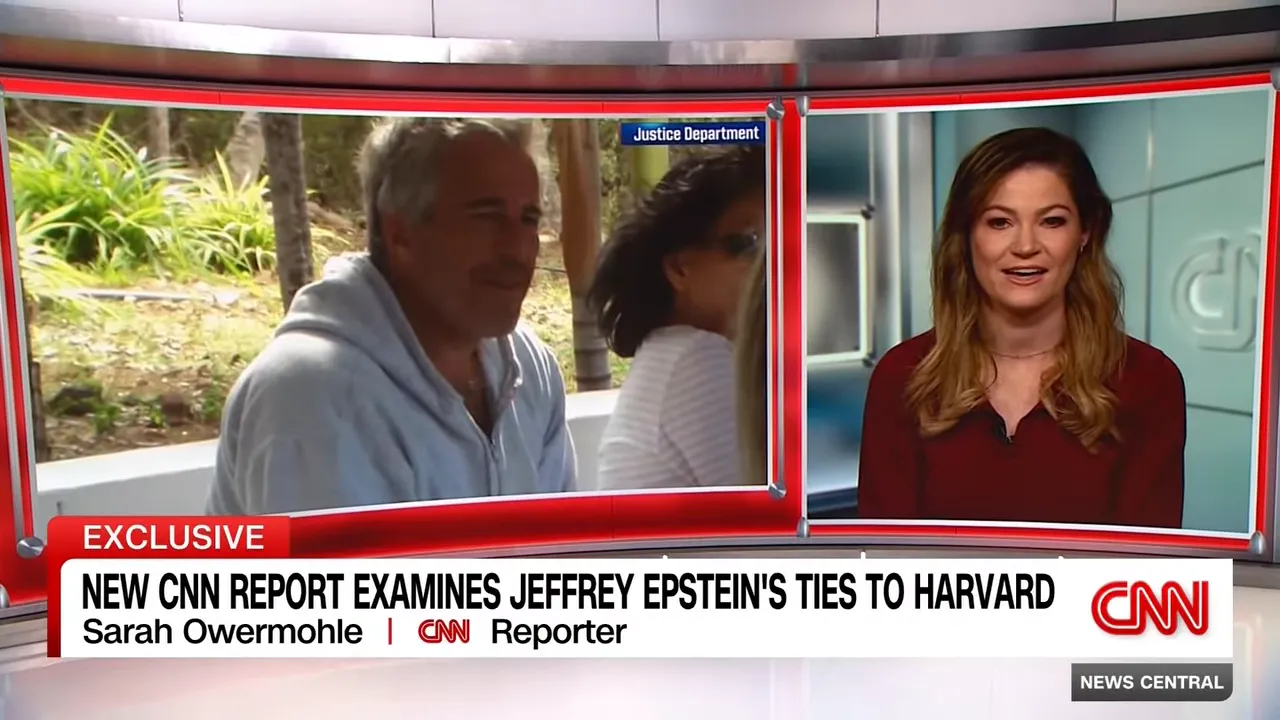
Those arrangements included offers to underwrite projects and proposals that would be financially structured to give Epstein control over the funds while providing public association with prominent scientists. The pattern raises renewed questions about institutional policies governing donor relationships, transparency, and post-conviction safeguards.
Epstein’s focus on genetics and life-extension research
The newly released emails show Epstein had a sustained interest in genetics, regenerative medicine, and longevity. He funded novel genetic testing and explored investments in early-stage companies focused on gene editing and the genetics of extreme longevity.
One prominent scientist implicated in correspondence was George Church, a geneticist known for gene-editing work and de-extinction concepts. Proposals discussed in emails included:
- Gene editing for disease resistance in plants and animals
- Genetic studies of supercentenarians (individuals aged 110+)
- Ambitious projects such as creating cold-resistant elephants as part of de-extinction research
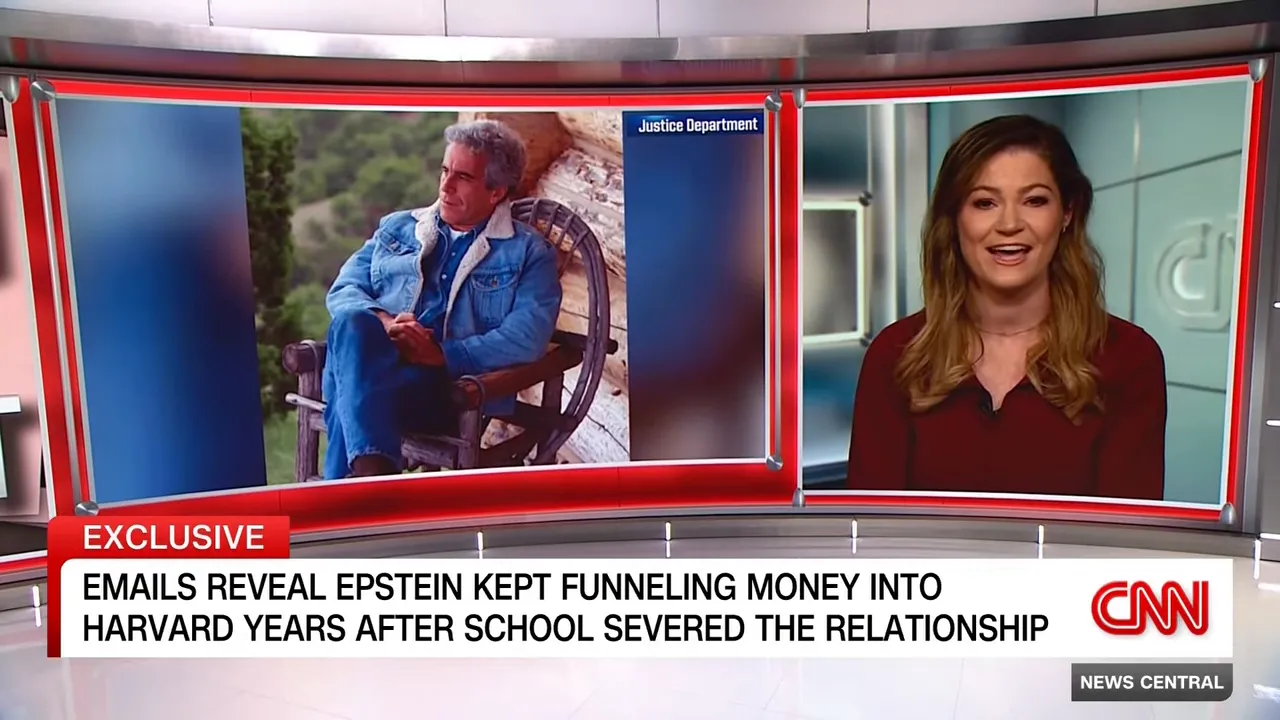
These initiatives aligned with Epstein’s reported personal interests in life extension and biomedical research. While no criminal charges have been filed against these scientists related to Epstein’s crimes, the communications illustrate how scientific agendas and private funding became entangled with a donor whose criminal history should have been a clear red flag.
Corporate consequences: resignations and reputational damage
The document releases have also been consequential for corporate America. A string of high-profile executives and legal leaders have stepped down or announced departures after media reporting linked them to Epstein.
Notable departures include the executive chairman of Hyatt Hotels, a top lawyer at Goldman Sachs, the chair of a major law firm, and other senior figures. Some leaders have characterized their judgment as poor, or said they were “deeply ashamed,” while investigators and boards evaluate whether continued association crossed ethical lines.
Important context:
- No allegations of criminal conduct have been made against many of those who resigned.
- Boards and companies are weighing reputational risk, potential conflicts of interest, and client reaction to perceived lapses in judgment.
- Observers warn this may be only the beginning: one director described the situation as “just the tip of the iceberg.”
"This is just the tip of the iceberg." — quoted observation from a corporate director on the scope of expected fallout
Political oversight, unanswered questions, and follow-the-money priorities
Lawmakers and investigators have emphasized that Epstein’s social circle, financial structures, and alleged trafficking operations are intertwined. Some governments in Europe have taken visible steps to hold powerful figures to account, while critics in the United States say financial probes and full transparency remain lacking.
Representative Suha Subramaniam and other oversight officials have pushed for broader access to documents and depositions. Key investigative points include:
- Why certain wealthy associates were not thoroughly questioned by federal authorities despite references in FBI communications.
- How financial arrangements and investment vehicles may have funded or facilitated illicit activity.
- Whether executors and estate representatives possess additional records that could identify other participants or illuminate the flow of funds.
High-value targets for future inquiry include depositions of executors and the release of the remaining millions of documents still withheld from the public record. Transparency advocates say a full accounting requires following the money as diligently as following known victims and social networks.
Key takeaways
- breaking news, hot news: Newly released documents show Epstein retained informal influence over Harvard researchers and cultivated scientific projects even after his 2008 conviction.
- Private funding of science can create conflicts when donor backgrounds are ignored or obscured; institutional safeguards matter.
- Corporate boards and law firms face ongoing reputational risk as more names surface; accountability so far has focused more on optics than criminal liability.
- Investigators and legislators emphasize the importance of financial investigations to complement criminal trafficking inquiries.
What to watch next
- Document releases from the Justice Department and court filings that may name additional associates.
- Scheduled depositions of estate executors and other insiders that could reveal new financial pathways.
- Institutional reviews at universities and corporations that may strengthen donor vetting and conflict-of-interest policies.
The story remains active and evolving. As more records and testimonies become public, the combination of legal, institutional, and corporate responses will determine whether this moment of breaking news, hot news leads to substantive reforms or simply further reputational fallout.
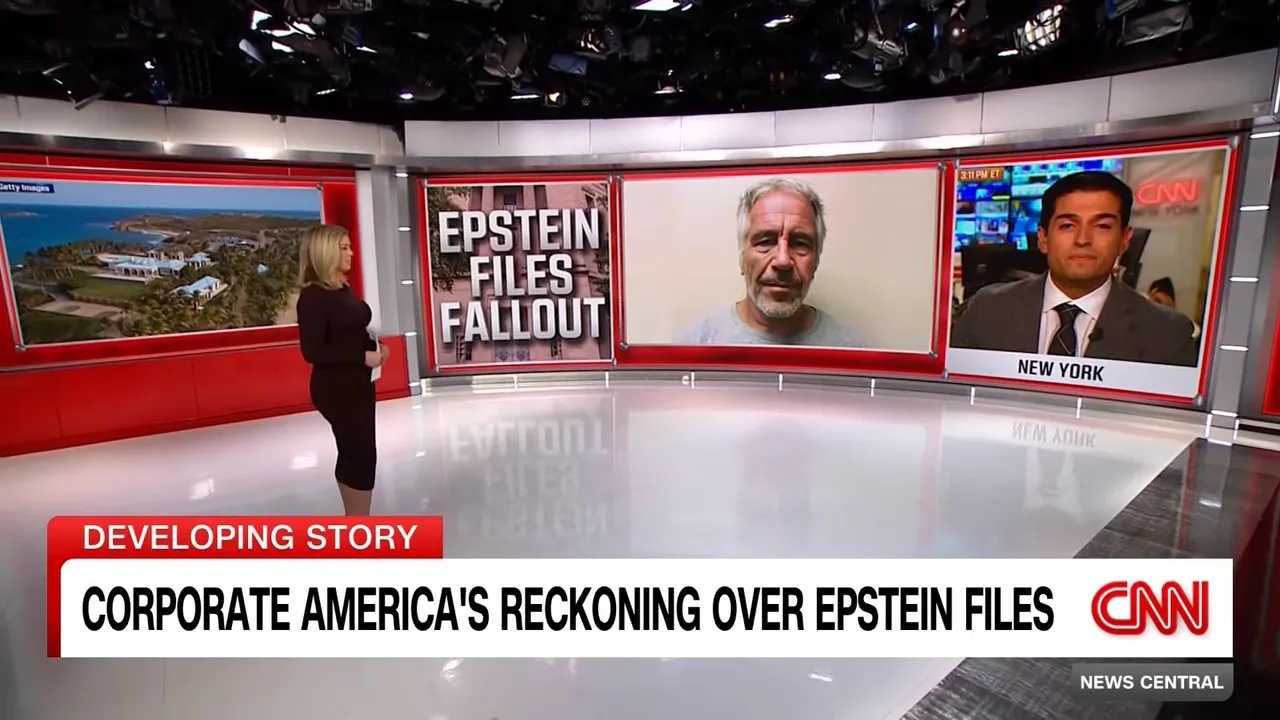
breaking news, hot news: Inside Epstein's ties to Harvard and corporate America. There are any breaking news, hot news: Inside Epstein's ties to Harvard and corporate America in here.

