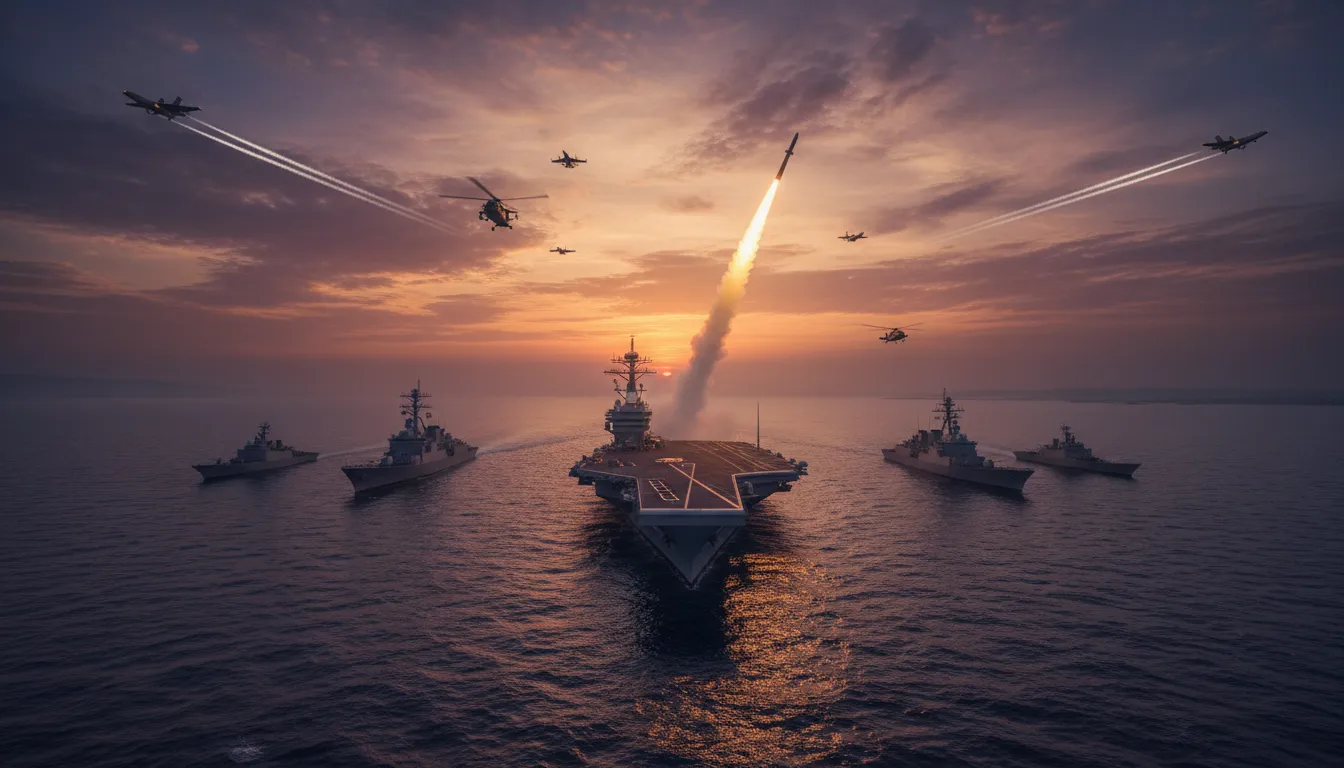
news update, news today — Tensions in the Middle East just escalated into a high-stakes strategic standoff. Russia joined Iran for live-fire naval drills in the Strait of Hormuz while the U.S. rushed the largest concentration of air and naval power to the region since 2003. This snapshot explains what happened, why it matters, and the realistic scenarios to watch next.
What changed on the water and in the air
Iran and Russia staged joint naval exercises that included vessel raids and ship seizures near the Strait of Hormuz. Iran even warned aircrews to avoid certain airspace during the drills, a sign the exercises could involve cruise missiles or other long-range systems.
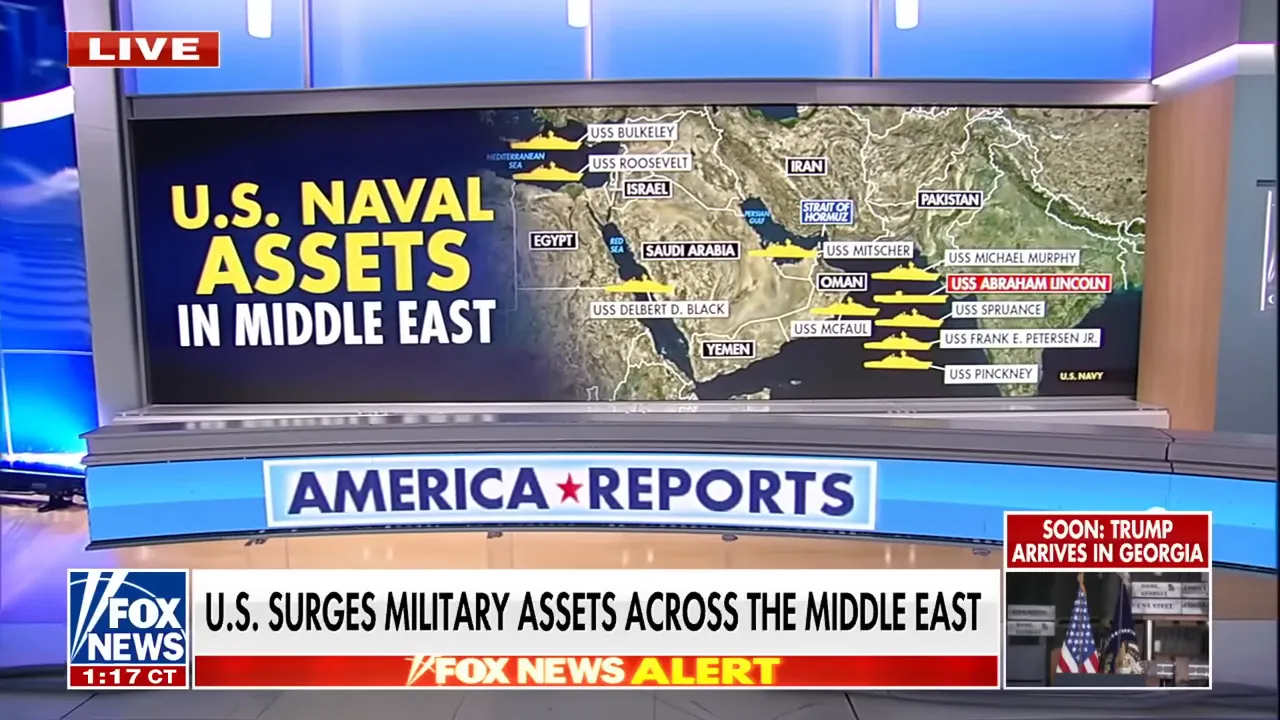
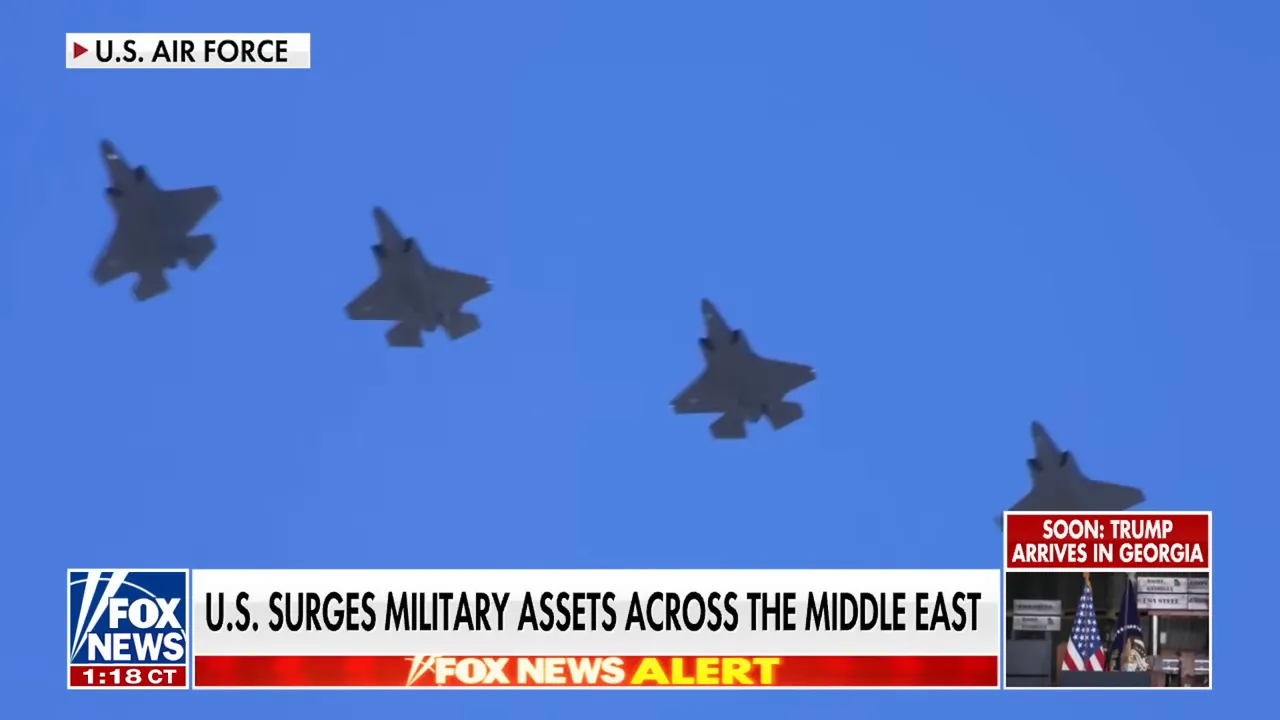
The U.S. response was swift and substantial. Pentagon updates reported more than 120 warplanes sent to the region, including F-15s, F-35s, a squadron of F-22 Raptors, and multiple KC-135 tankers to form an air bridge. The deployment also included six E-3 Sentry AWACS aircraft — a notable shift in command-and-control capability that gives U.S. forces a real-time view of the battle space.
Carrier movements and on-the-ground posture
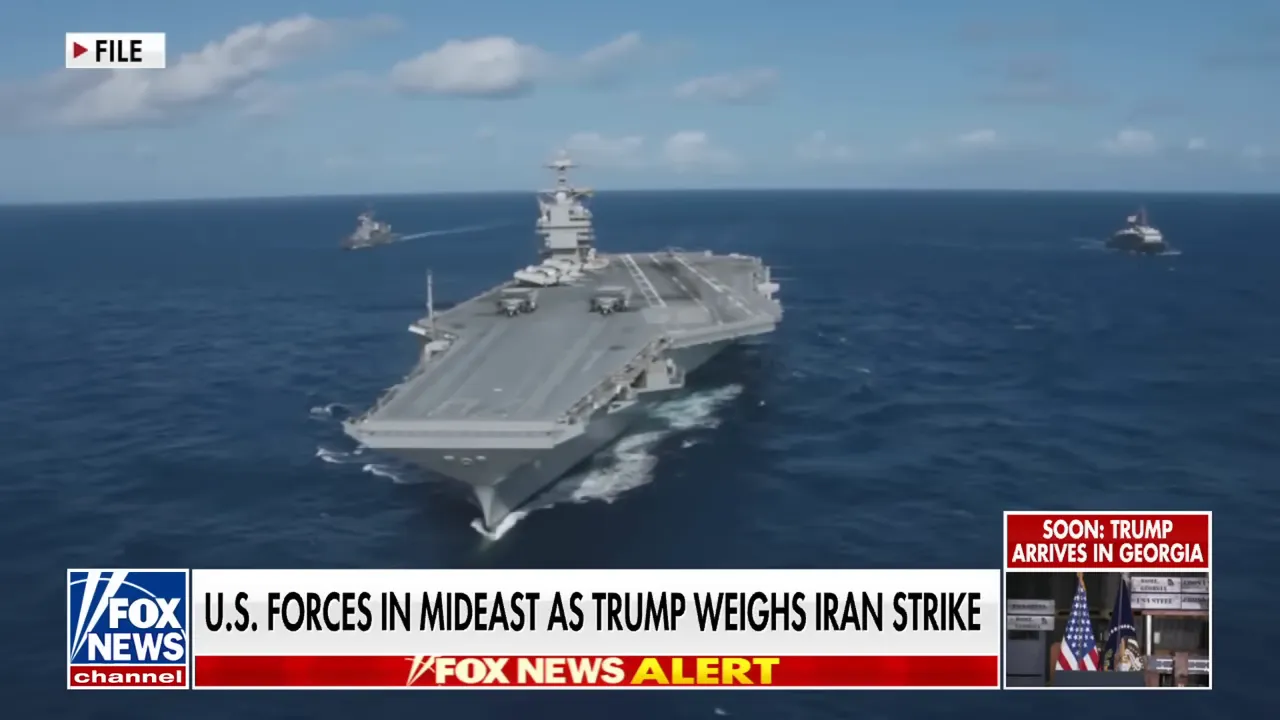
All eyes are on the USS Ford Strike Group, currently nearing the Strait of Gibraltar. Its route and final destination are undecided — transit to the eastern Mediterranean requires passing through the Suez Canal, which could add days or even weeks. Alternatively, the carrier could remain in the eastern Mediterranean to bolster defense for regional partners.
Notably, there has been no major U.S. ground-force buildup that would indicate preparation for a large-scale invasion. The emphasis is clearly on naval and air dominance, combined with special operations elements reported in the region.
What leaders are saying
On the U.S. side, the message is blunt:
"They can't have a nuclear weapon. It's very simple."That line frames the core policy objective driving military pressure and sanctions.
From Tehran, officials are defiant. Iran’s atomic energy chief declared,
"Iran won't back down. No country can deprive Tehran of its nuclear enrichment rights."Expect rhetoric to stay heated while both sides test limits.
Key takeaways
- High-readiness posture: Air and naval assets give the U.S. flexibility to respond across the spectrum from deterrence to targeted strikes.
- Strategic signaling: AWACS and stealth fighters increase surveillance and deterrence without committing ground troops.
- Risks remain: Joint drills with Russia complicate de-escalation and raise the chance of miscalculation in crowded maritime routes.
Where this could go next
Given current deployments, expect scenarios focused on precision strikes, sanctions, and diplomatic pressure rather than massive ground invasions. Escalation risks are highest around the Strait of Hormuz and any incidents involving commercial shipping.
news update, news today — Stay alert for multi-domain maneuvers, changes in carrier positioning, and any diplomatic signals through negotiation channels. This is a fluid crisis driven by strategic signaling as much as by military capability.
Final perspective
These developments are a reminder that modern conflict often plays out through posture, technology, and close coordination between allies. Military buildup and hardline rhetoric raise stakes, but the tools deployed right now favor controlled deterrence over full-scale invasion. Expect continued monitoring, tightened sanctions, and probes for diplomatic openings — all under the glare of global attention.
news update, news today
This article was created from the video WON'T BACK DOWN: Iranian leader says NO country can deprive it of its 'nuclear enrichment rights' with the help of AI.
News update, news today: Iran Says "Won't Back Down" — What the U.S. Military Buildup Means. There are any News update, news today: Iran Says "Won't Back Down" — What the U.S. Military Buildup Means in here.

