
breaking news, hot news coverage often focuses on immediate facts and figures. Less frequently reported are the long arcs of trauma that follow headline events. Country star Eric Church spoke candidly about precisely that: how a series of life-threatening and public tragedies reshaped his work, his faith, and his approach to fatherhood.
Key events that changed a career and a life
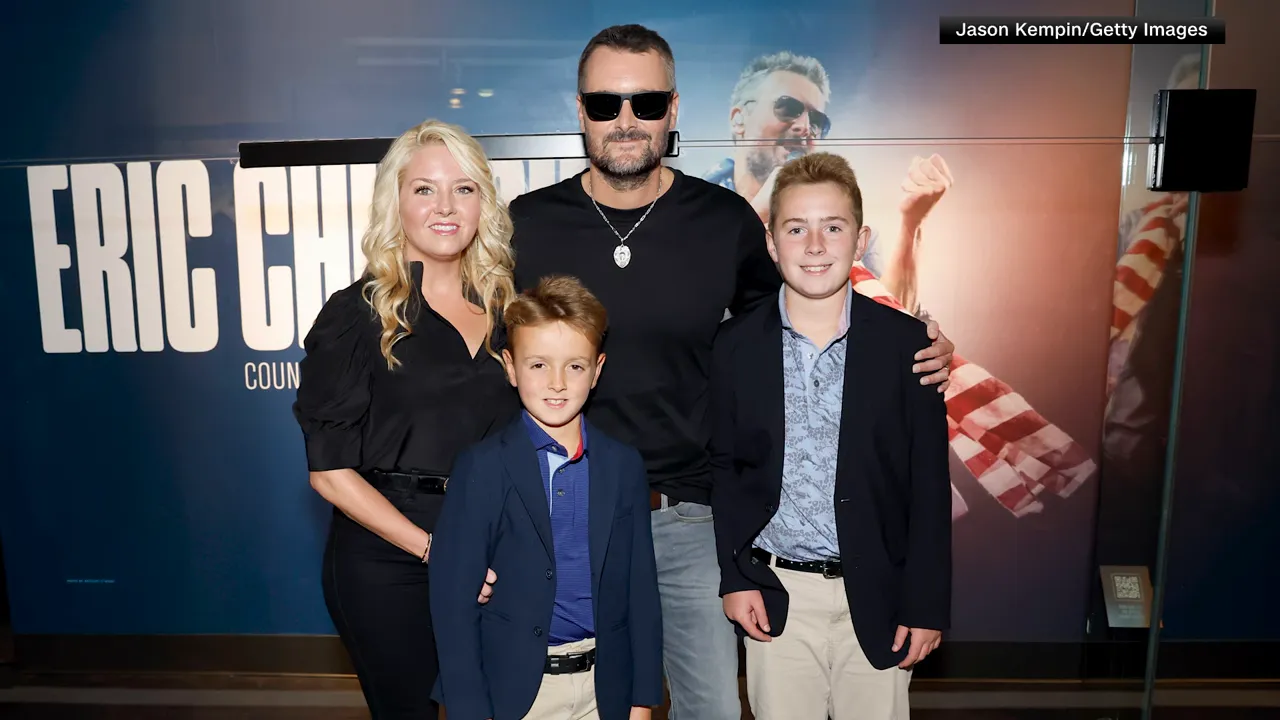
Eric Church’s story is defined by three consecutive shocks that landed within a short time: a near-fatal blood clot requiring emergency surgery in June 2017; the Route 91 Harvest Festival mass shooting in Las Vegas two months later; and the death of his brother Brandon the following year. Each event carried physical, emotional, and professional consequences. Together they created what Church describes plainly as a rupture. “Something broke in me,” he said, capturing the shift from performer to survivor.
From safety on stage to shaken faith in public spaces
Church explained how the Las Vegas shooting dismantled an assumption central to his life on stage. Performing had been a sanctuary, a predictable place of communion with fans. After the shooting, that certainty vanished. He channeled the raw response into a song written in the days after the attack; the Grand Ole Opry performance that followed became both an admission and an attempt at healing: “Why you and why not me?” the lyrics ask, and the question echoed the shock experienced by artists and audiences alike.
Grief, coping strategies, and the costs of “keeping going”
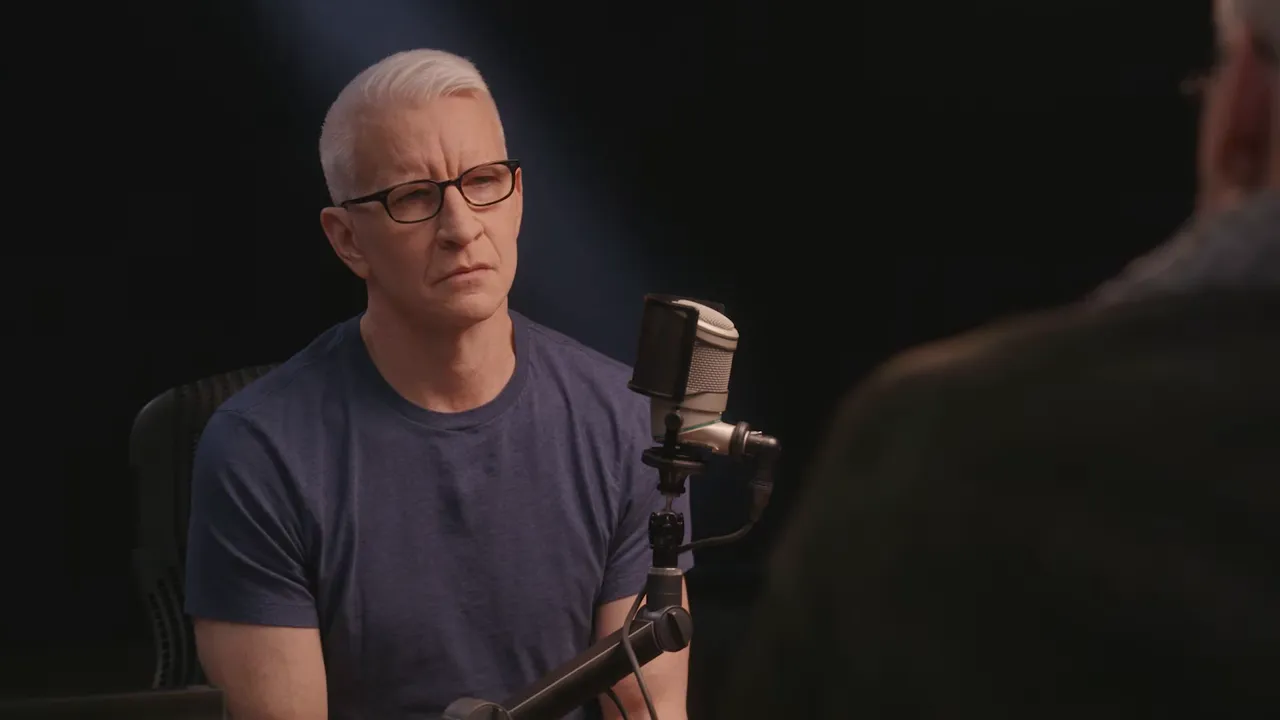
Church offered a candid assessment of how he handled grief: work, travel, and sustained activity as a way to put distance between himself and the pain. He called that approach a temporary lifeline that eventually fails to resolve the underlying loss. The pattern he described is familiar to many people who experience sudden trauma: immediate survival, then suppression, and later unexpected resurgences of emotion.
- Short-term coping: Staying busy, keeping a schedule, and performing.
- Long-term consequences: Episodes of post-traumatic stress, unprocessed grief resurfacing in surprising moments.
- The turning point: Public acknowledgment of trauma and deliberate conversations with family and audiences.
Why the public moments mattered
Two public experiences crystallized Church’s reflections. First, the response of fans after the Las Vegas shooting affirmed that memory and joy cannot be erased by violence. Second, the Covenant school shooting in Nashville triggered a profound parental anxiety: the simple act of dropping children at school became fraught with dread. Church described pulling into a school parking lot and seeing other parents doing the same, each suspended between fear and the necessity of resuming life.
Lessons about talking, parenting, and ritual
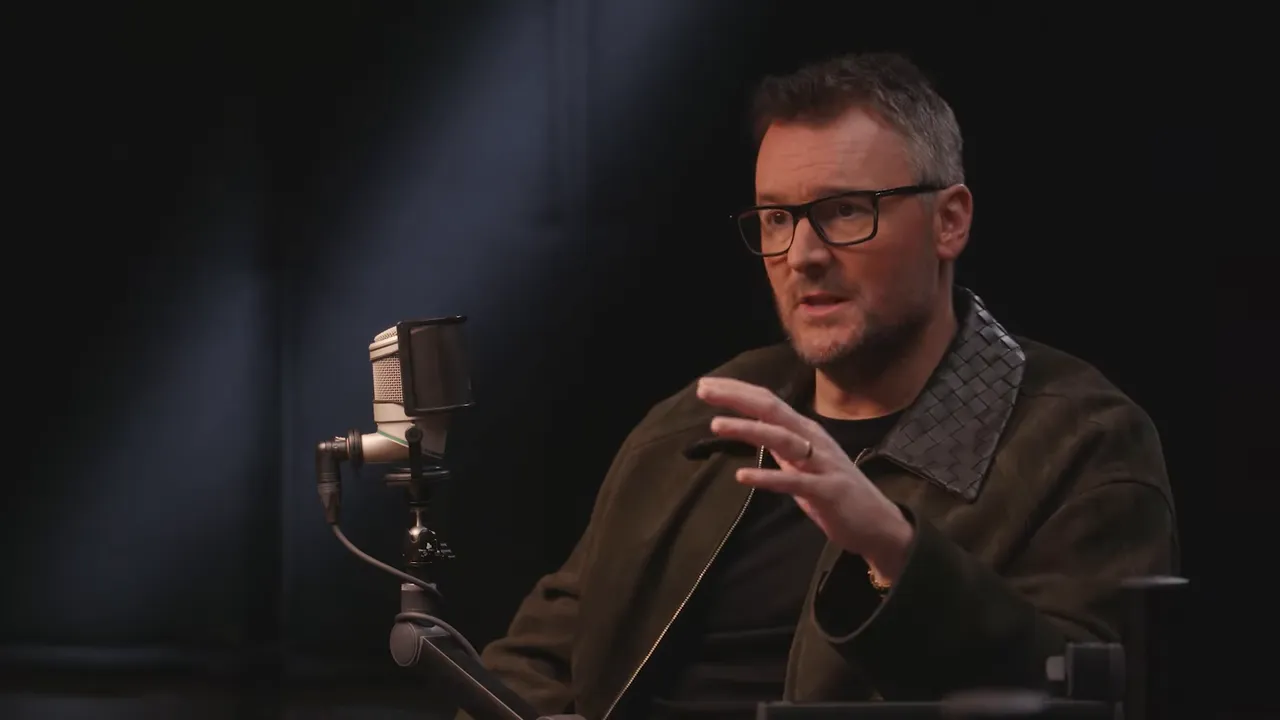
Church articulated several practical lessons that read like recommendations for people confronting loss or guiding children through it.
- Allow space for grief. Time alone, therapy, or a trusted setting to speak candidly are essential. Church admitted he delayed talking about his brother for years and only gradually reclaimed those memories through storytelling.
- Include children thoughtfully. He regrets excluding his young sons from a funeral, and now favors age-appropriate honesty that normalizes loss as part of life.
- Preserve remembrance within routine. Celebrating a lost loved one’s life—rather than only dreading anniversaries—can transform dates of loss into moments of continuity.
- Leverage community rituals. Church contrasted older communal grieving rituals, like wakes and family gatherings, with modern tendencies to sanitize or hide difficult emotions.
Faith, music, and the role of small rituals
Faith emerged as a stabilizing influence in Church’s account. He credited religious belief with providing an anchor through catastrophic events and the ongoing waves of grief. Music also functions as ritual and memory. He described singing a lyric that now includes his brother as a way to keep him present: the stage becomes a place for both performance and remembrance.
What this means for the broader public conversation about breaking news, hot news
Events that qualify as breaking news, hot news create an intense, immediate demand for facts. Church’s testimony adds an essential counterpoint: the aftermath of those events can unfold for years, affecting mental health, family dynamics, and public trust in shared spaces. Reporters, community leaders, and employers who treat the news cycle as the end of a story risk ignoring its long tail.
Practical implications include:
- Public institutions should plan for sustained support after traumatic incidents, not only immediate crisis response.
- Community rituals and opportunities for collective mourning deserve preservation as public health tools.
- Encouraging candid conversations about grief—especially among men—can reduce isolation and lower the risk of harmful coping behaviors.
Where Eric Church stands now
Church has shifted priorities toward family and deeper engagement with grief work. He has reduced commitments to create space for his young sons and to model different ways of handling loss. Musically he continues to record and tour; his album Evangeline Versus the Machine and the Free the Machine tour are current outlets for both creativity and catharsis.
His reflections are a reminder that headlines mark beginnings as often as endings. For communities and individuals, meaningful recovery requires attention beyond the breaking news, hot news moment—an investment in ritual, conversation, and the long work of remembrance.
‘Something broke in me’: Eric Church on loss, resilience and the quiet weight of breaking news, hot news. There are any ‘Something broke in me’: Eric Church on loss, resilience and the quiet weight of breaking news, hot news in here.

